

January 23, 2024
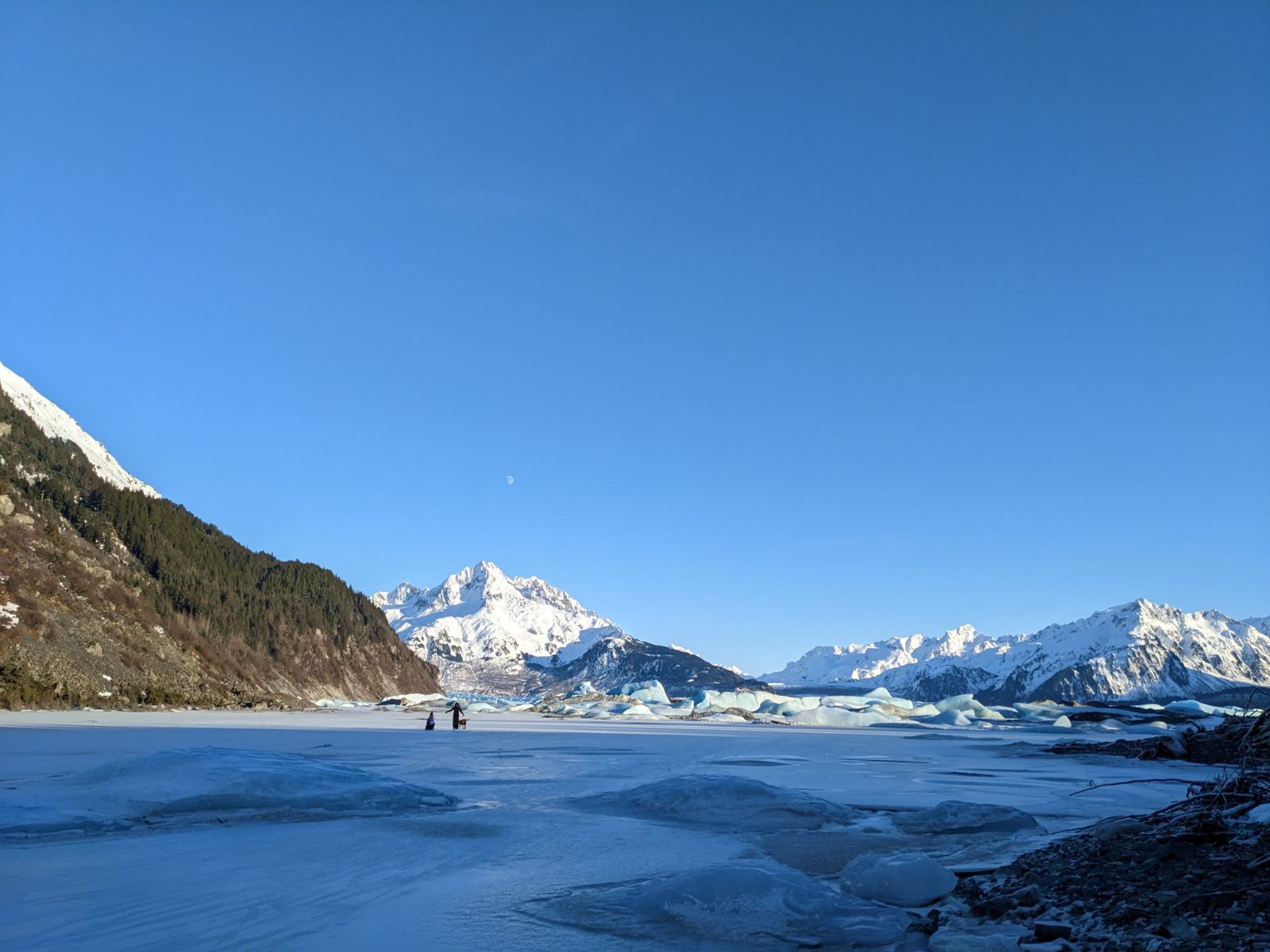
There are many ways to “experience” scientific data. We see numbers portrayed in charts, arranged in graphs, and transcribed onto maps. These data-sharing methods may provoke […]
December 4, 2023
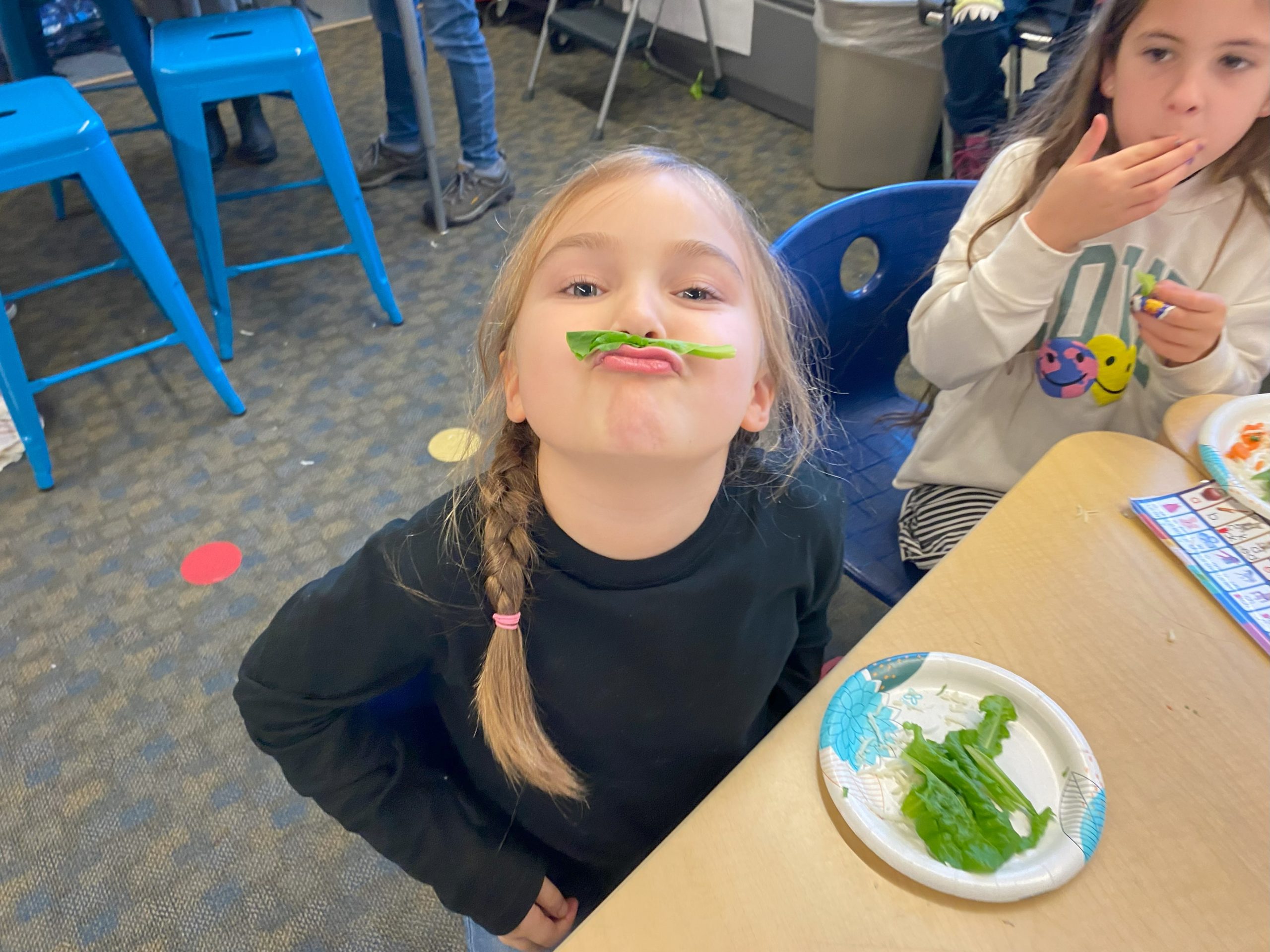
By Cristina Reo Youth programming in November included Sea Squirts, Little Dippers, Fun Friday, and Astronomy Night. For our youngest explorers, we hosted our monthly Sea […]
November 3, 2023
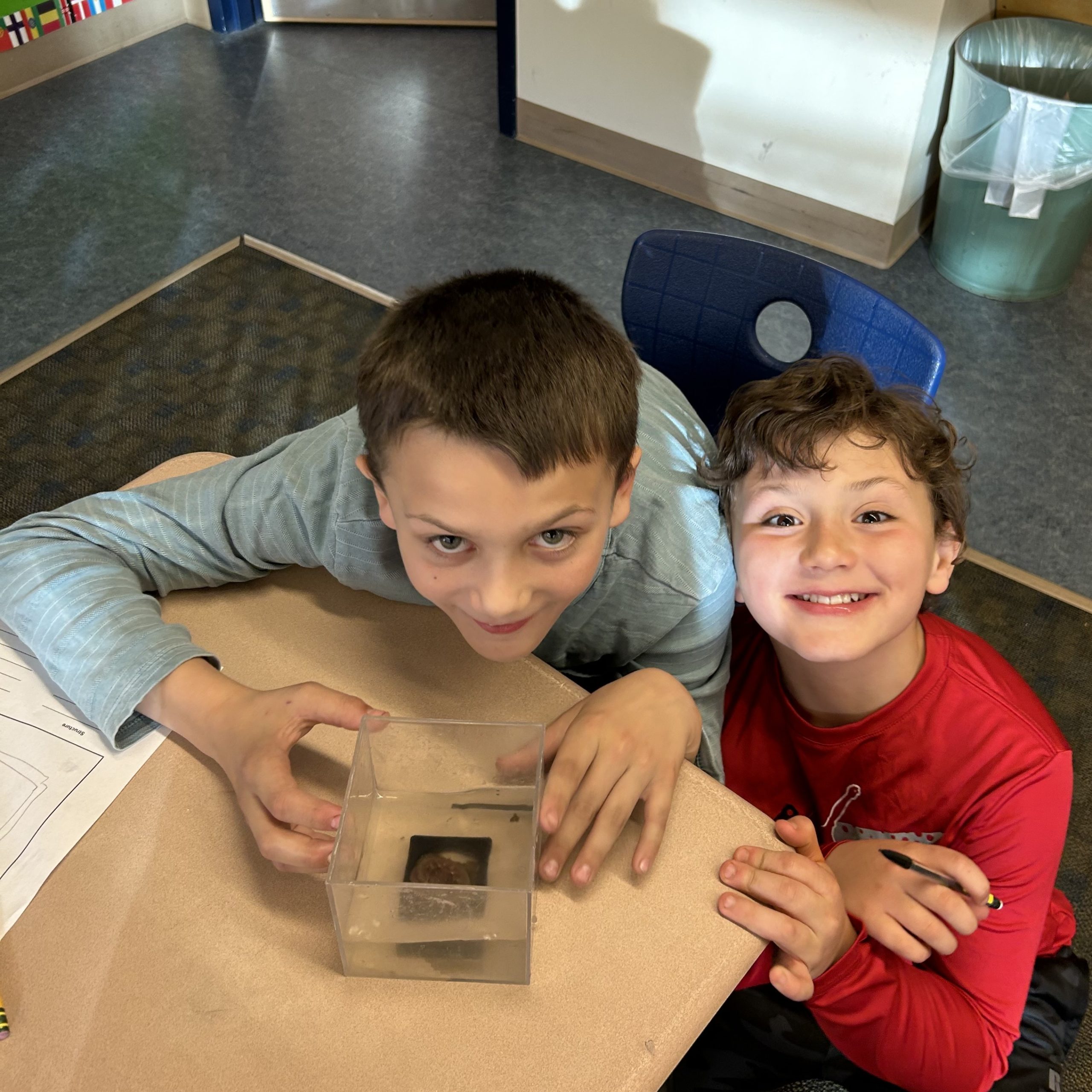
By Cristina Reo This month’s theme was Creatures of the Deep, celebrating the weird and the wonderful! We hosted a “creatures of the deep” Fun Friday […]
September 27, 2023
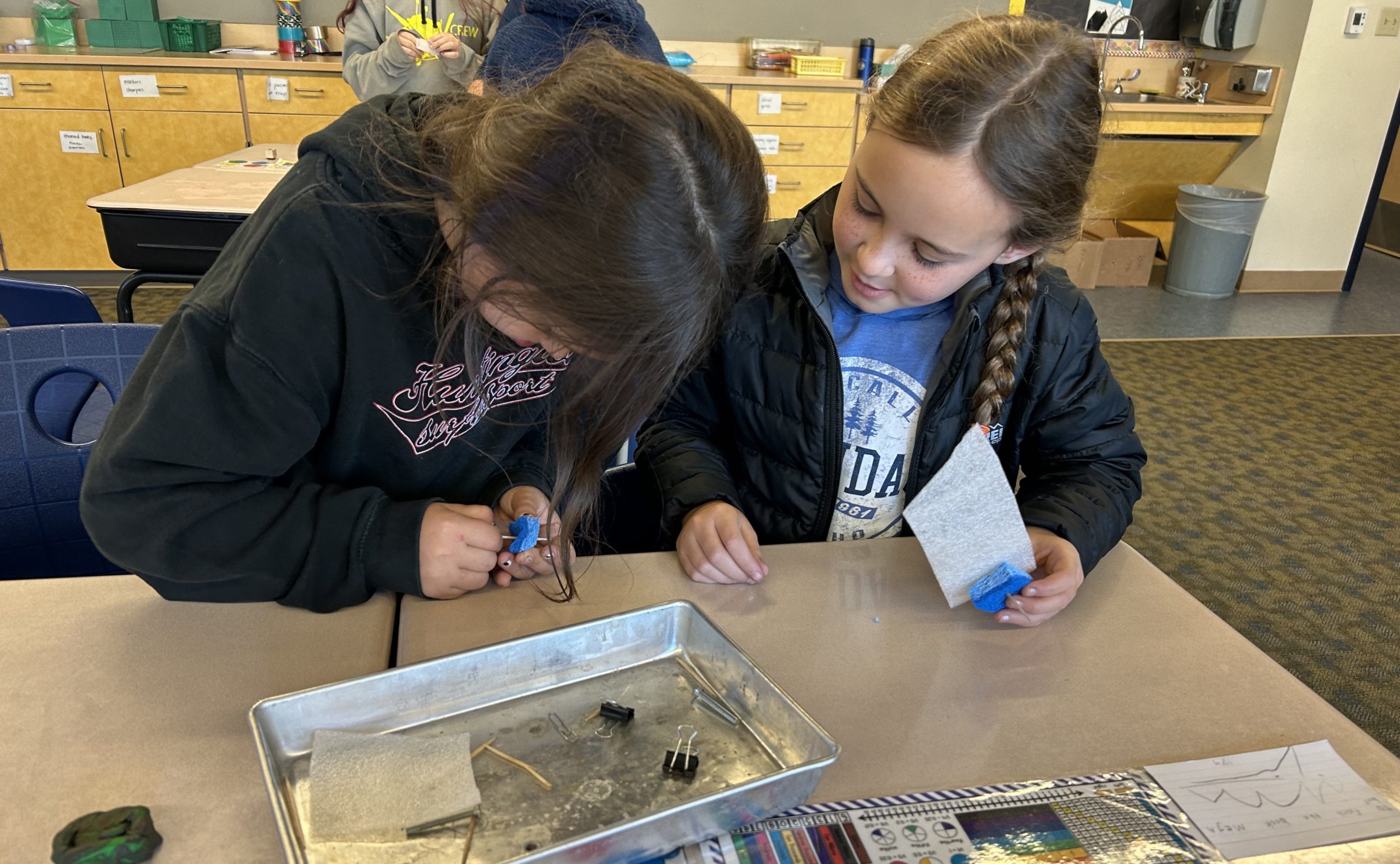
By Cristina Reo Fall is upon us, as is the start of a new school year. With that comes fun family programming and entertaining – yet […]
August 17, 2023

Lydia Shaw, Dr. Pete Rand’s research technician, is looking at juvenile salmon stomachs from western Prince William Sound. She is dissecting stomachs to find out what […]
August 1, 2023
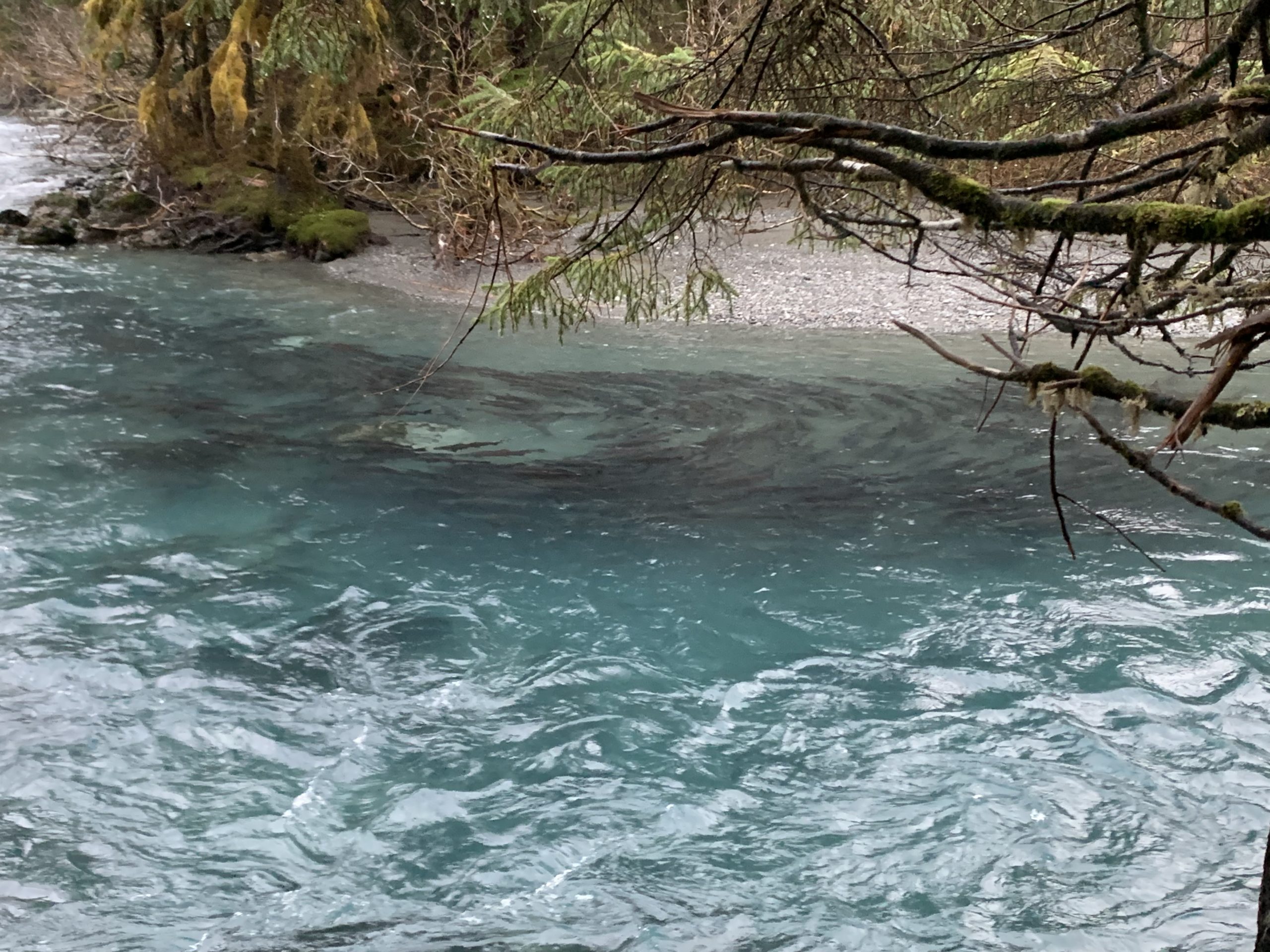
By Cristina Reo This August, we will be taking a closer look at salmon and learning some of the things that make them so unique. All […]
August 1, 2023

By Cristina Reo Prince William Sound Science Center staff have been engulfed in research, education, and more amid the summer craze. July’s Discover Cordova was held […]
June 30, 2023

By Kate Trudeau Ten teens wrapped up an “ed-venture” of a lifetime with the Copper River Stewardship Program. With origins in Cordova, Nebesna, Slana, Kenny Lake, […]
June 30, 2023
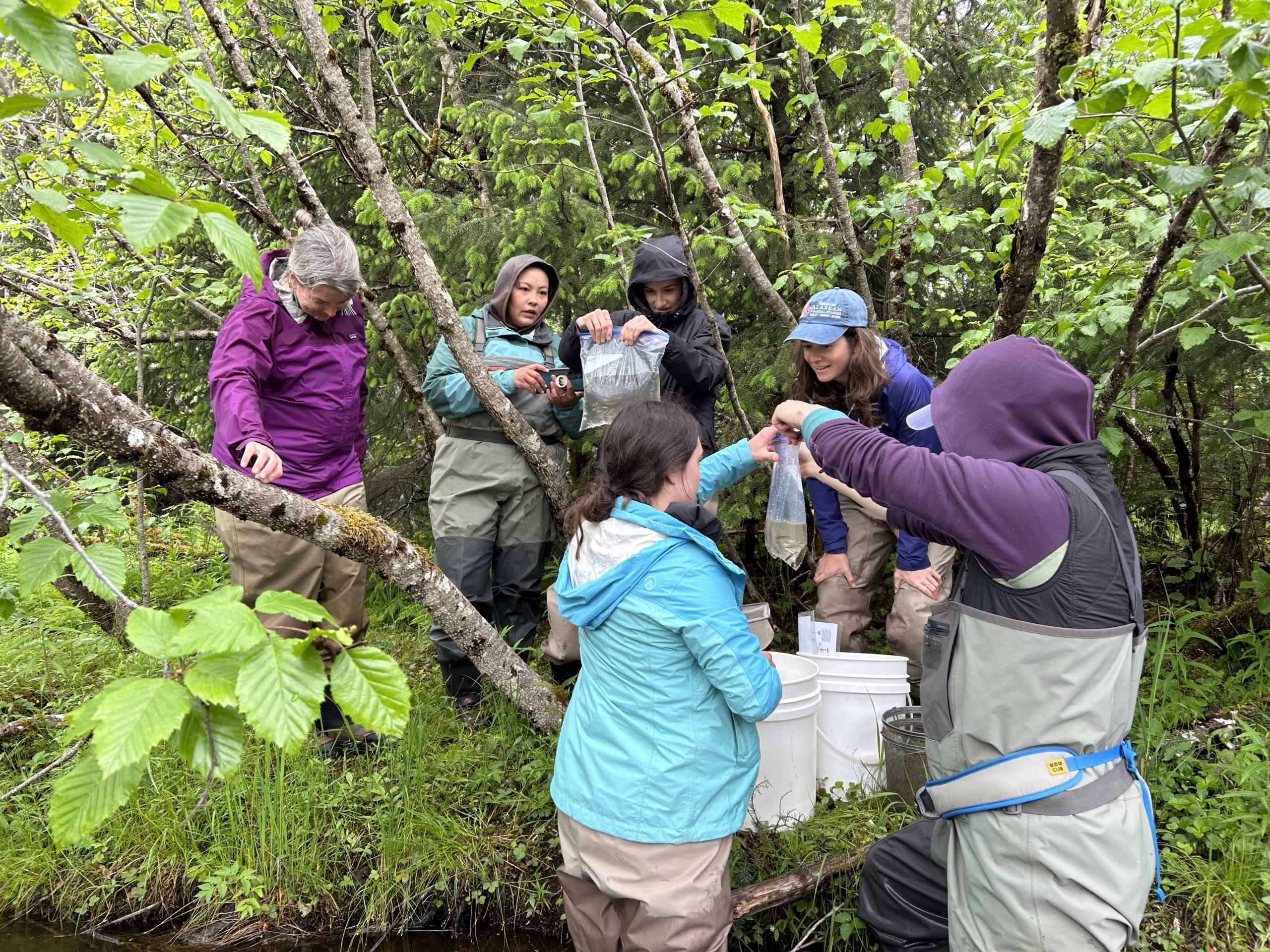
By Cristina Reo June brought forth the first glimpse of summer weather in Cordova and wildflowers were blossoming throughout town. Because of this, we wanted to […]
June 16, 2023
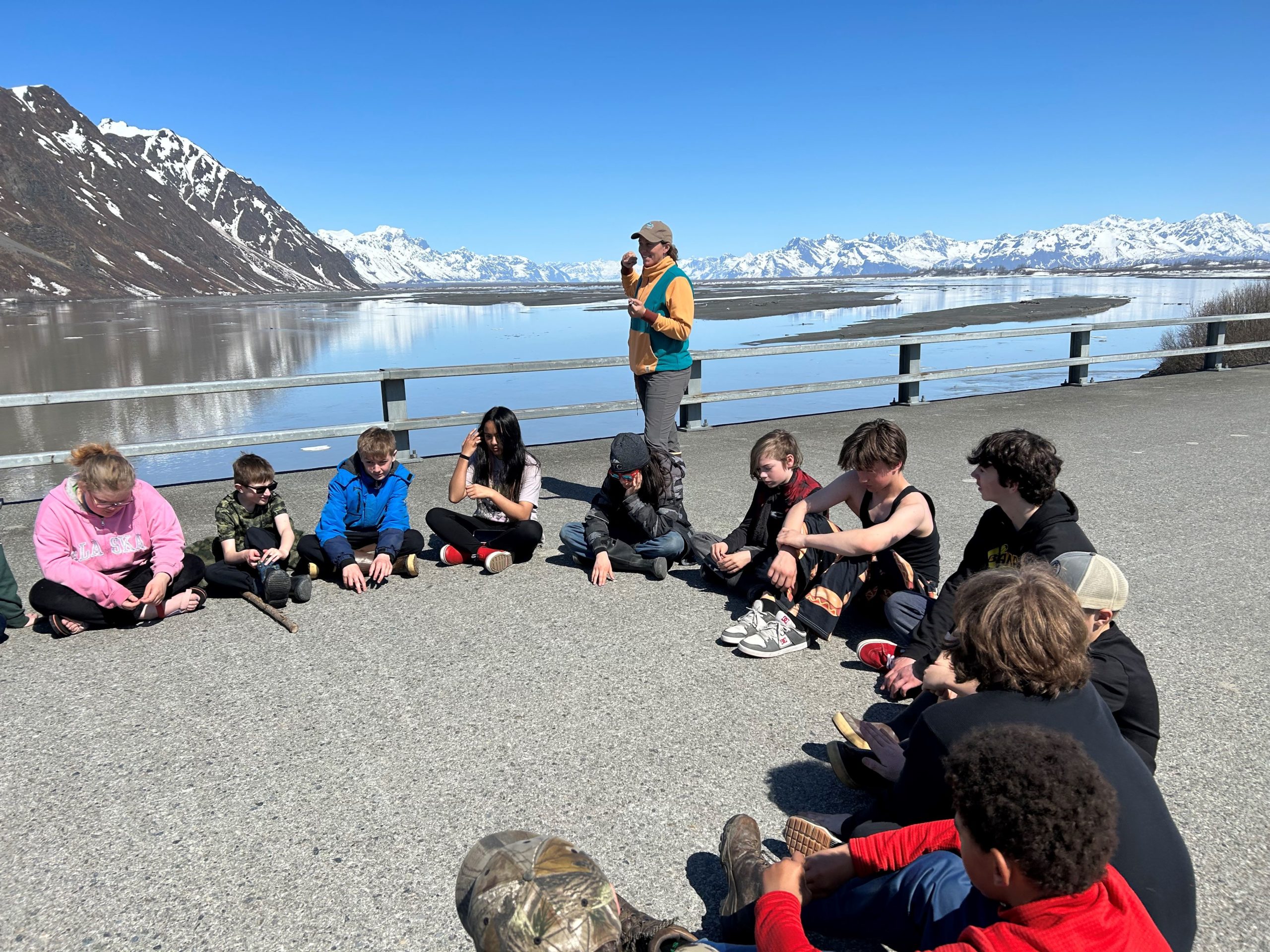
By Cristina Reo May brought warmer weather and longer days. With shorebirds passing through the Copper River Delta and the school year coming to an end, […]
May 1, 2023
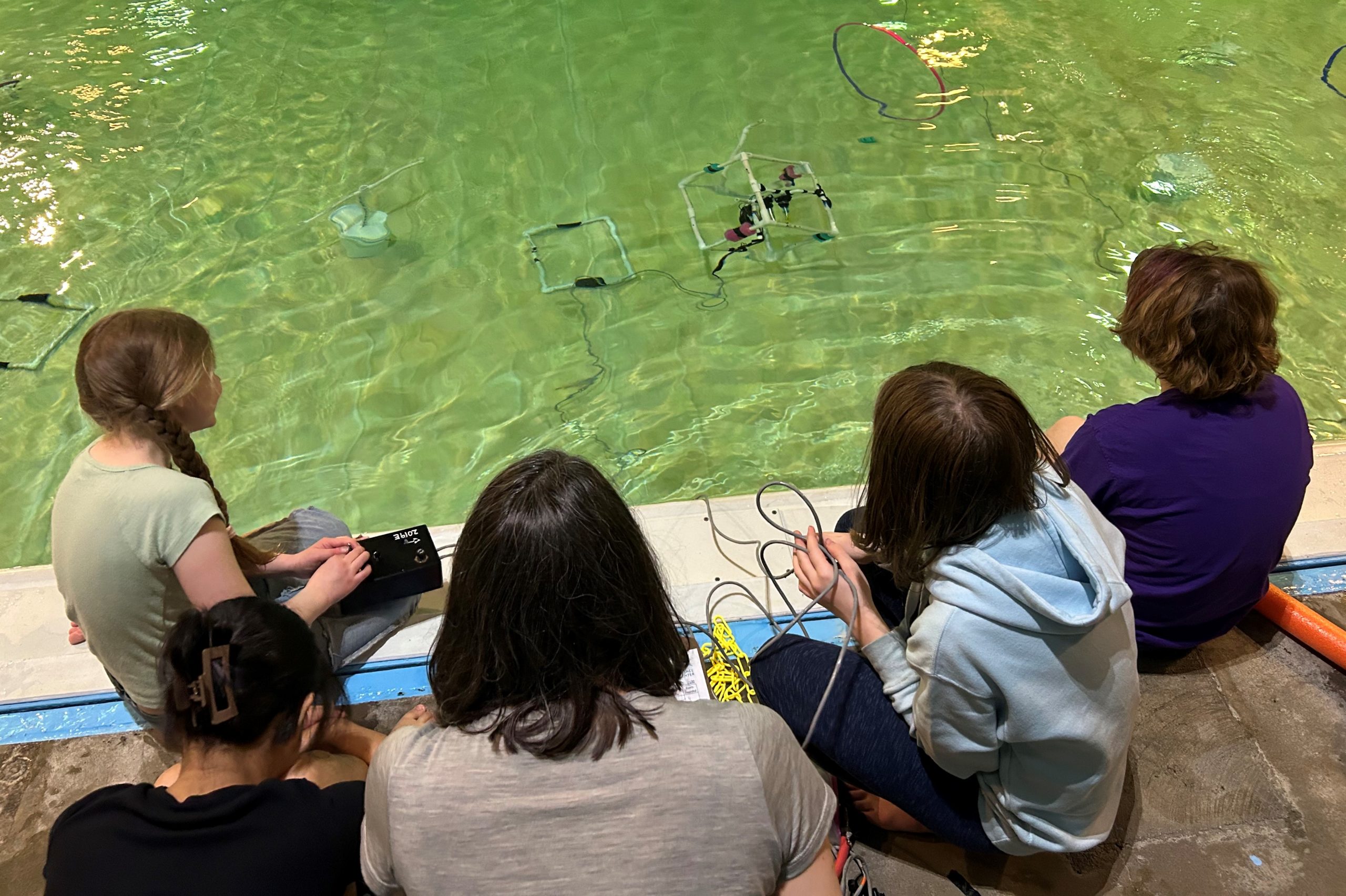
By Cristina Reo April brought longer days and warmer weather. Let’s look at what the education team at the Prince William Sound Science Center got up […]
March 29, 2023

By Cristina Reo April is Otter Month at the Prince William Sound Science Center. There are 13 different species of otters found across the world. Otters […]
March 29, 2023

By Cristina Reo March brought forth sunny weather, longer days, herring spawns, and lots of PWSSC fun. Our theme for March was herring. Dr. Alysha Cypher […]
March 6, 2023
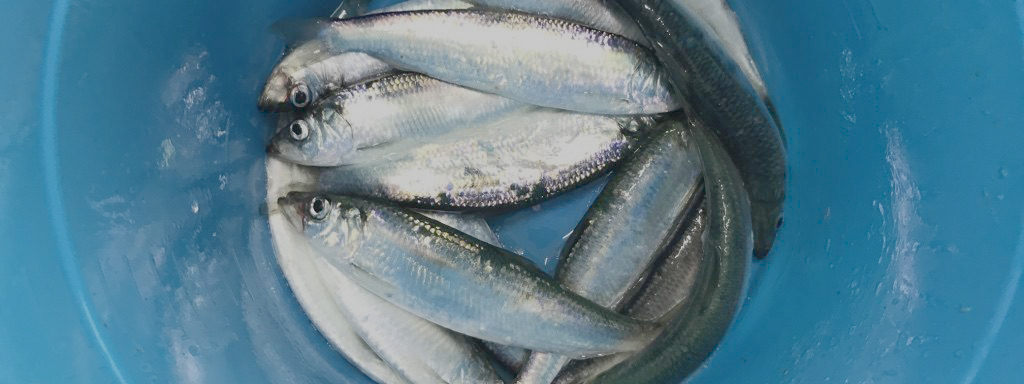
Follow our social media channels this month to learn about herring in the Prince William Sound and how we are studying them. If you are interested […]
March 2, 2023

By Cristina Reo February is the shortest month of the year, but that did not stop our education team from providing an abundance of educational opportunities […]
February 6, 2023

March 16, 2023 at 6:00pm This is the first of many Science Charcuterie Nights. We challenge you to bring your most creative charcuterie board. Make it […]
February 6, 2023
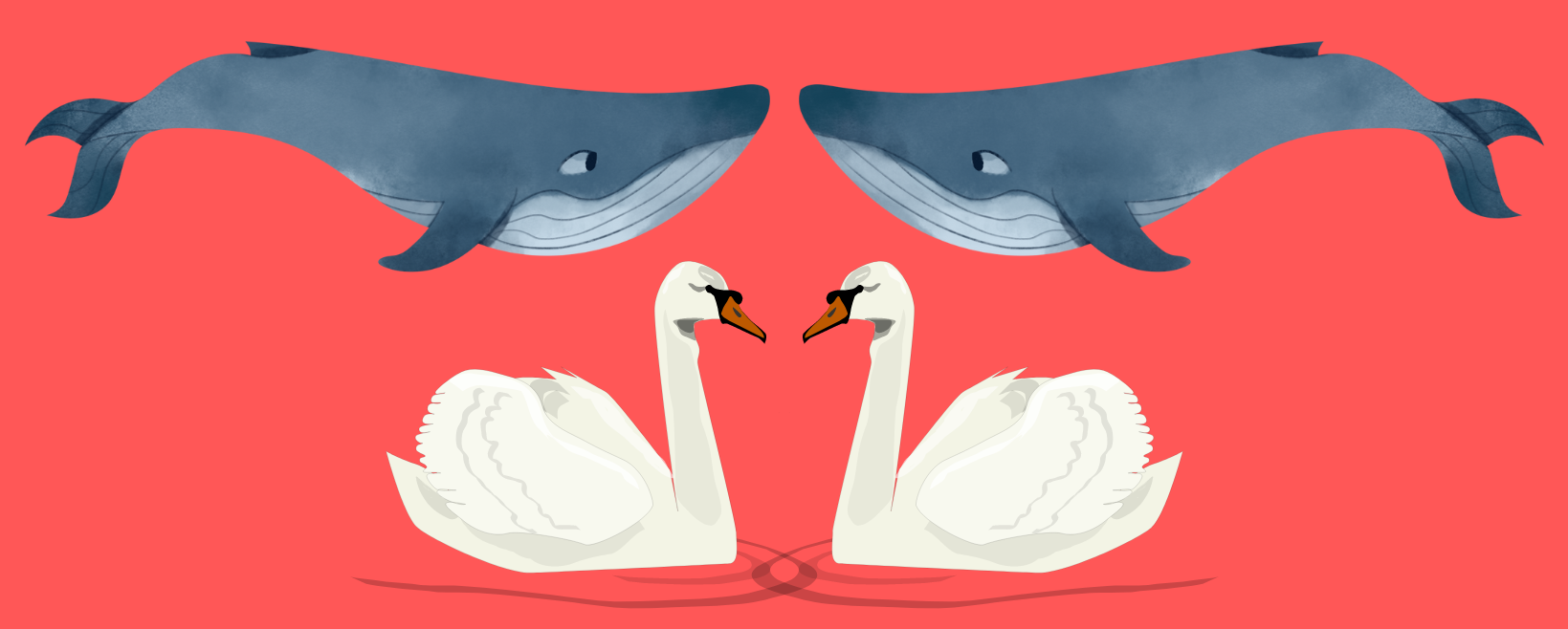
The Bloodhound Gang said it best, “ You and me, baby, ain’t nothin’ but mammals!”. But have you ever wondered how, say, invertebrates court each other? […]
February 6, 2023
By Cristina Reo and Kate Trudeau January went by in the blink of an eye for the education staff at the Prince William Sound Science Center. […]
January 27, 2023

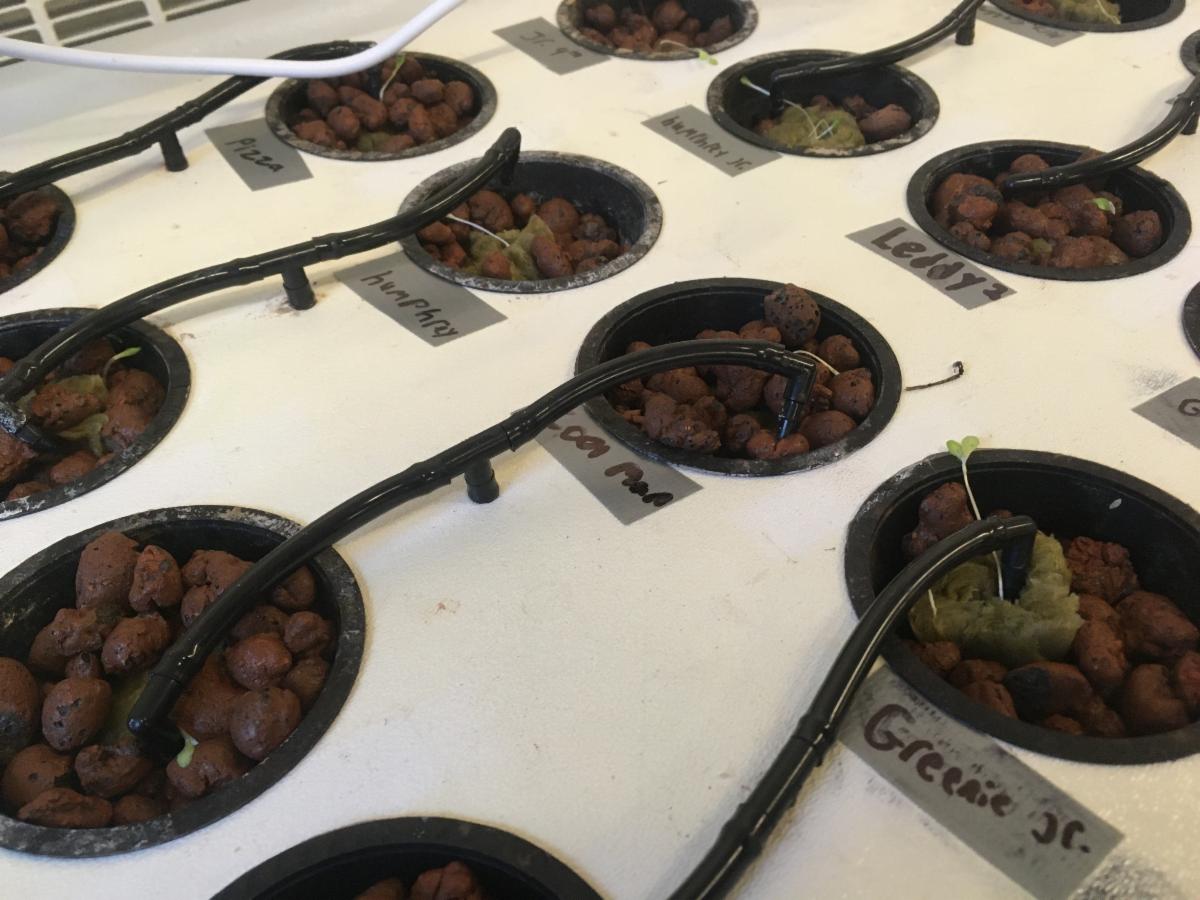
Related posts Lettuce party in second grade December 4, 2023 Education Month in Review: November 2023Read More Photo by Lauren Bien March 16, 2020 Cordova at […]
January 20, 2023

ADULT FIBER ARTS EXHIBIT ON CLIMATE CHANGE As the months progress we expect the weather to get colder. We hunker down with our tea and […]
December 30, 2022
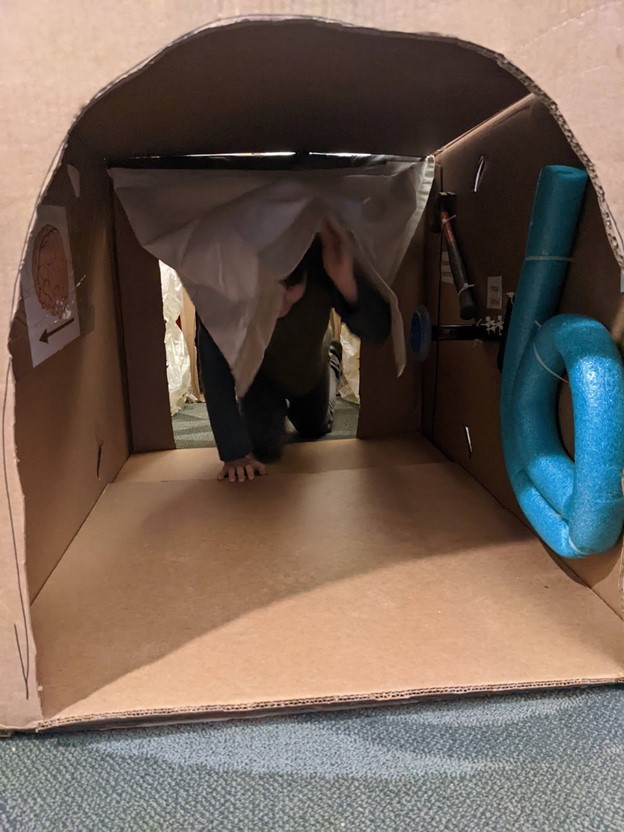
By Cristina Reo The education team had a jam-packed December full of learning, fun, and festive cheer. December started with our monthly Sea Squirts program, for […]
December 30, 2022
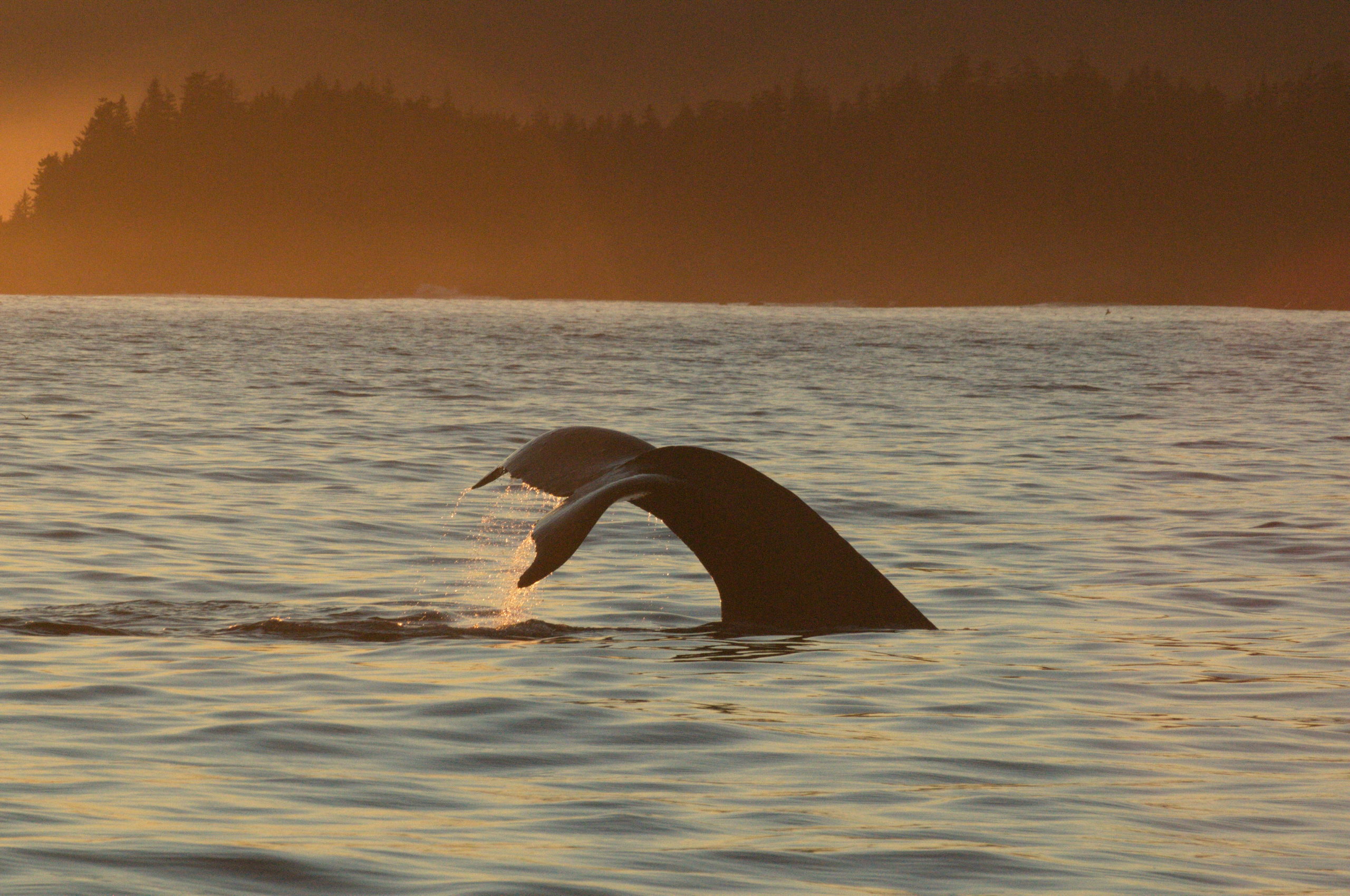
January 2023 Prince William Sound is home to many creatures great and small. We, at the Prince William Sound Science Center, are happy to share with […]
December 5, 2022

December 2022 According to MIT, there are more plankton in the ocean than there are stars in the sky. However, most people can probably name constellations […]
December 5, 2022

By Cristina Reo November 2022 was a very busy month for the education department. The month started off with a field trip to Power Creek for […]
September 14, 2022

Related posts Thousands of Tufted Puffins nest on Middleton Island, making this an ideal study area for researchers. Photo by Anne Schaefer. October 10, 2018 Overwinter […]
August 25, 2022

This summer, kids were knee deep in nature as they flipped over rocks, followed salmon upstream, and stopped to smell the flowers with the Science Center’s […]
August 22, 2022

Headwaters to Ocean overnight camp, also known as “Mini-DRT (Delta Restoration Team) camp,” went off without a hitch in August of 2022. Our campers had a […]
July 14, 2022
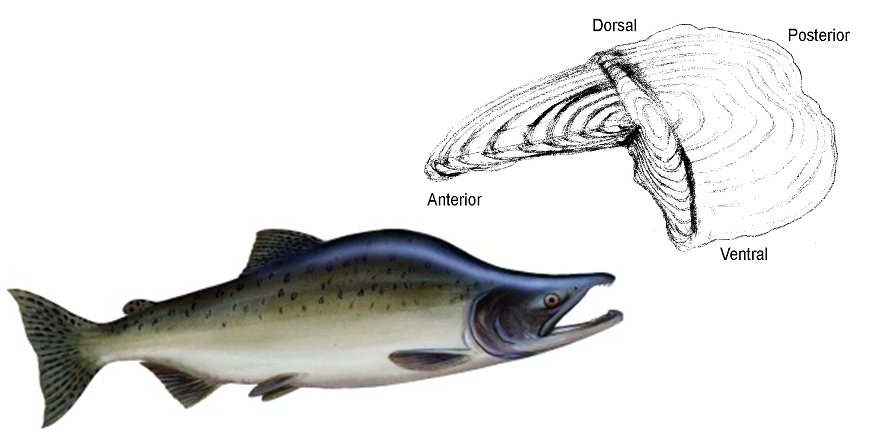
Related posts March 7, 2022 Pink salmon and herring interactionsRead More October 10, 2018 2018 Tufted Puffin Field Work Photo HighlightsRead More March 15, 2019 Status […]
November 4, 2021
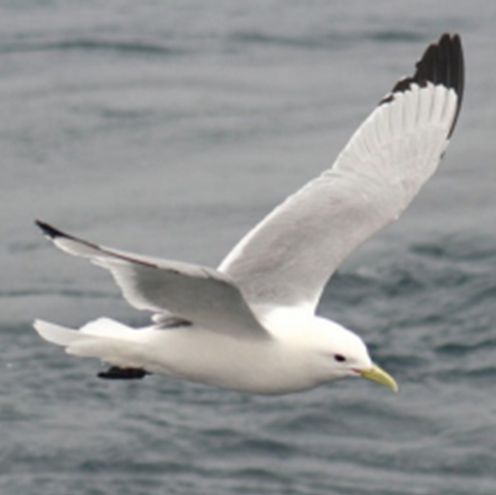
October 14, 2021 Researchers from the Prince William Sound Science Center (PI Bishop), US Geological Survey, and NOAA recently completed a collaborative research cruise focused on […]
July 23, 2021

July 23, 2021 Over 300 salmon were radio-tagged earlier this summer as part of the Sockeye Salmon Migration Study in the Copper River. Our goal is […]
May 24, 2021
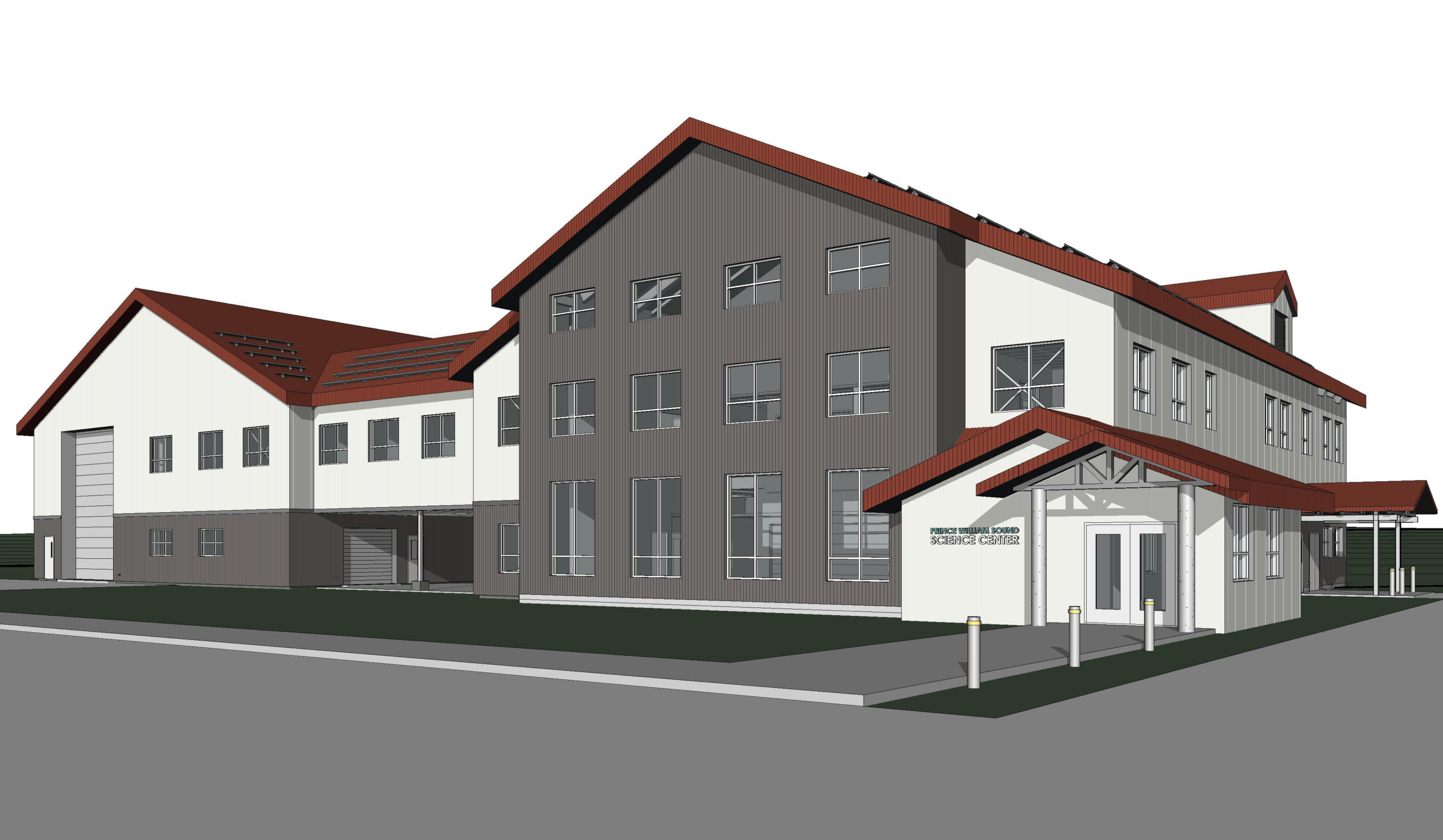
5-acre waterfront research and education campus made possible by major grants from the Exxon Valdez Oil Spill Trustee Council, the M.J. Murdock Charitable Trust, ConocoPhillips Alaska, […]
May 13, 2021
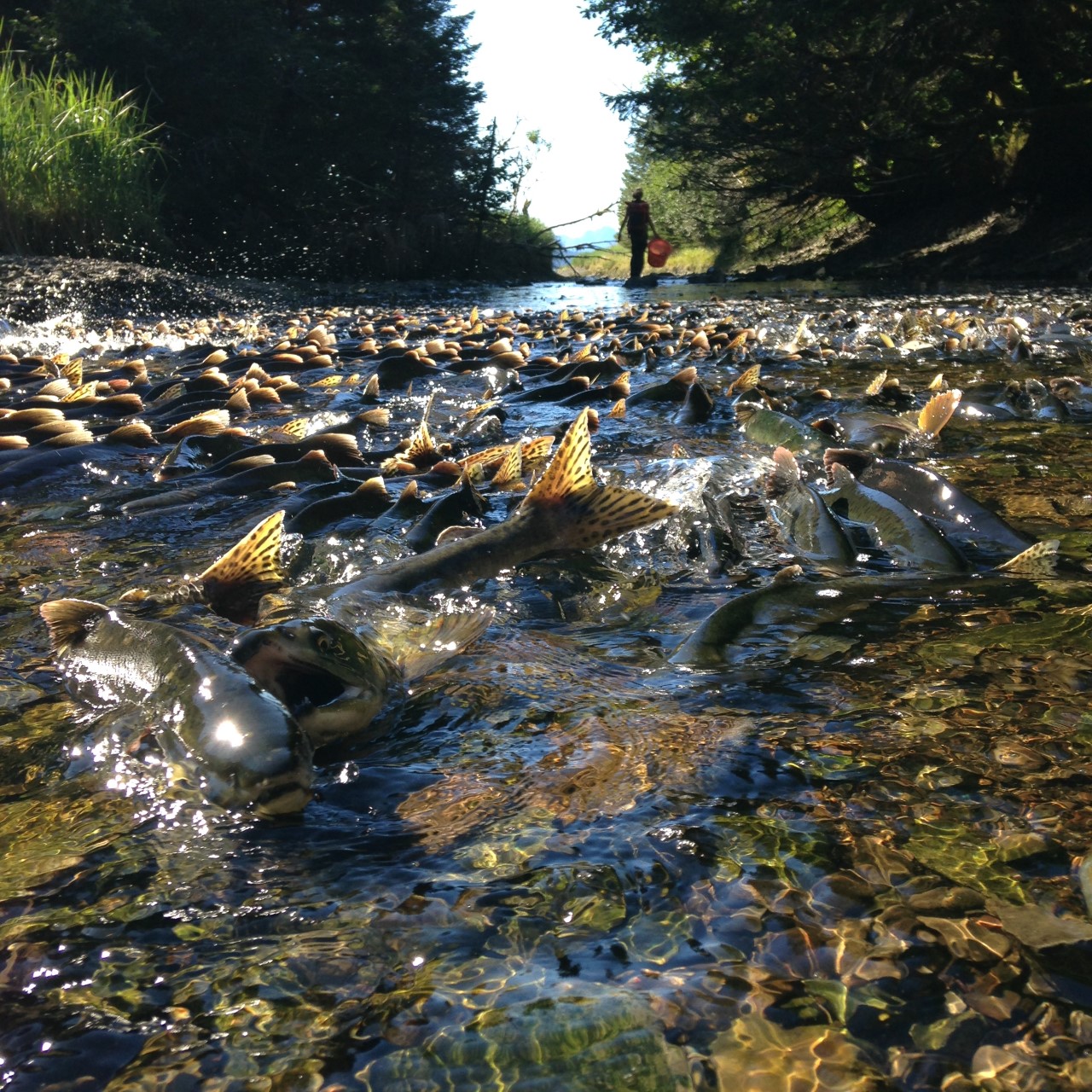
Three years of intense field work and years of data analysis and writing has culminated in a published scientific manuscript describing straying of hatchery pink and […]
April 22, 2021
April 22: On this day in 1989, legal papers for the creation of the Prince William Sound Science Center were filed. The City of Cordova offered […]
April 2, 2021

Herring update: It’s that time of year again! The herring spawn is sparking a revival in the region after the long winter. Between March 27 and […]
February 19, 2021

Copper River Stewardship Program: hands-on education during a pandemic By Lauren Bien February, 2021 While the 2020 Copper River Stewardship Program looked very different than year’s […]
May 10, 2020
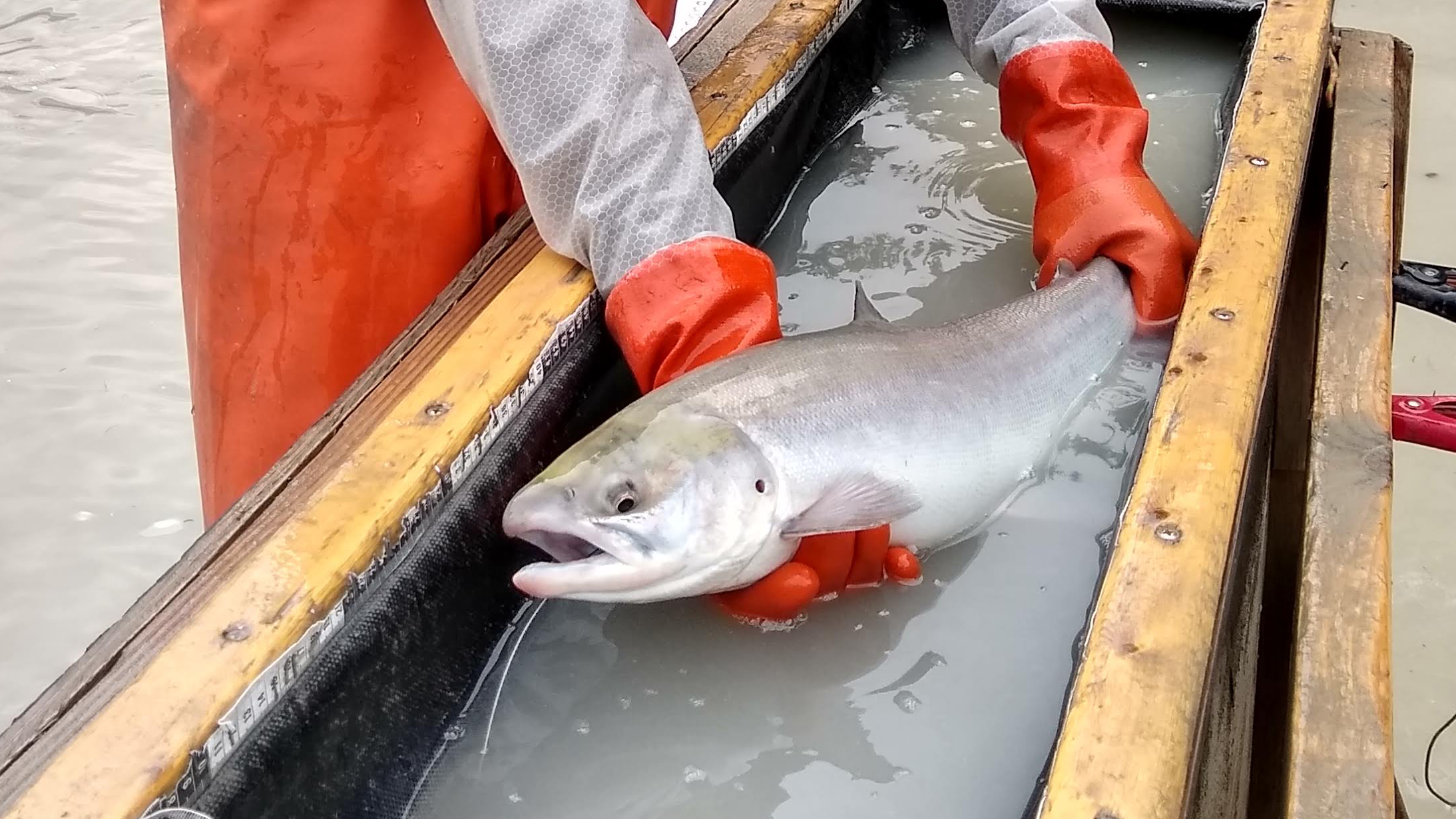
2019 data analyzed for preliminary results of migration study By Teal Barmore, May 11, 2020 During the summer of 2015, the commercial fishing community in Cordova, […]
May 6, 2020
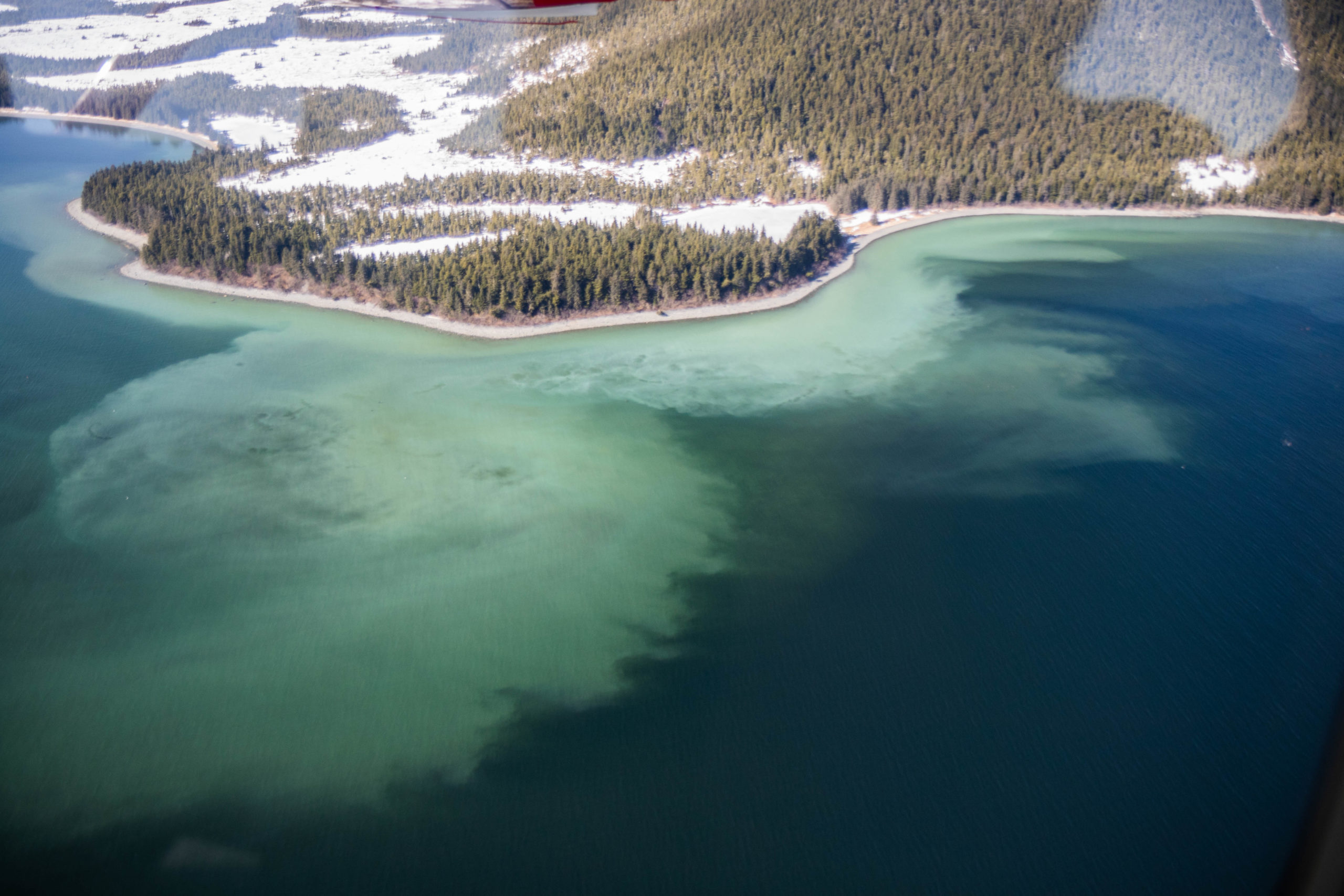
Ideal conditions for a large year class, but don’t get your hopes up…yet. By Lauren Bien, May 6, 2020 PWSSC Research Ecologist, Pete Rand, returned to […]
April 27, 2020

Science Center’s Focus on Resilience Reflected in New Research Plan By Teal Barmore, April 27, 2020 The theme of resilience emanates from the new research plan […]
April 24, 2020

Undeterred by pandemic, construction project nears funding goal By Zachary Snowdon Smith, April 14, 2019 for The Cordova Times Feature Photo: Prince William Sound Science Center’s harborside […]
March 31, 2020

Salmon researchers participate in Copper River Basin Symposium and Copper River Salmon Harvesters Roundtable By Teal Barmore, March 30, 2020 In late February, Prince William Sound […]
March 30, 2020

Where are the herring going? By Arissa Pearson, March 30, 2020 Implanting Prince William Sound fish with acoustic tags has opened up a new realm of […]
March 27, 2020
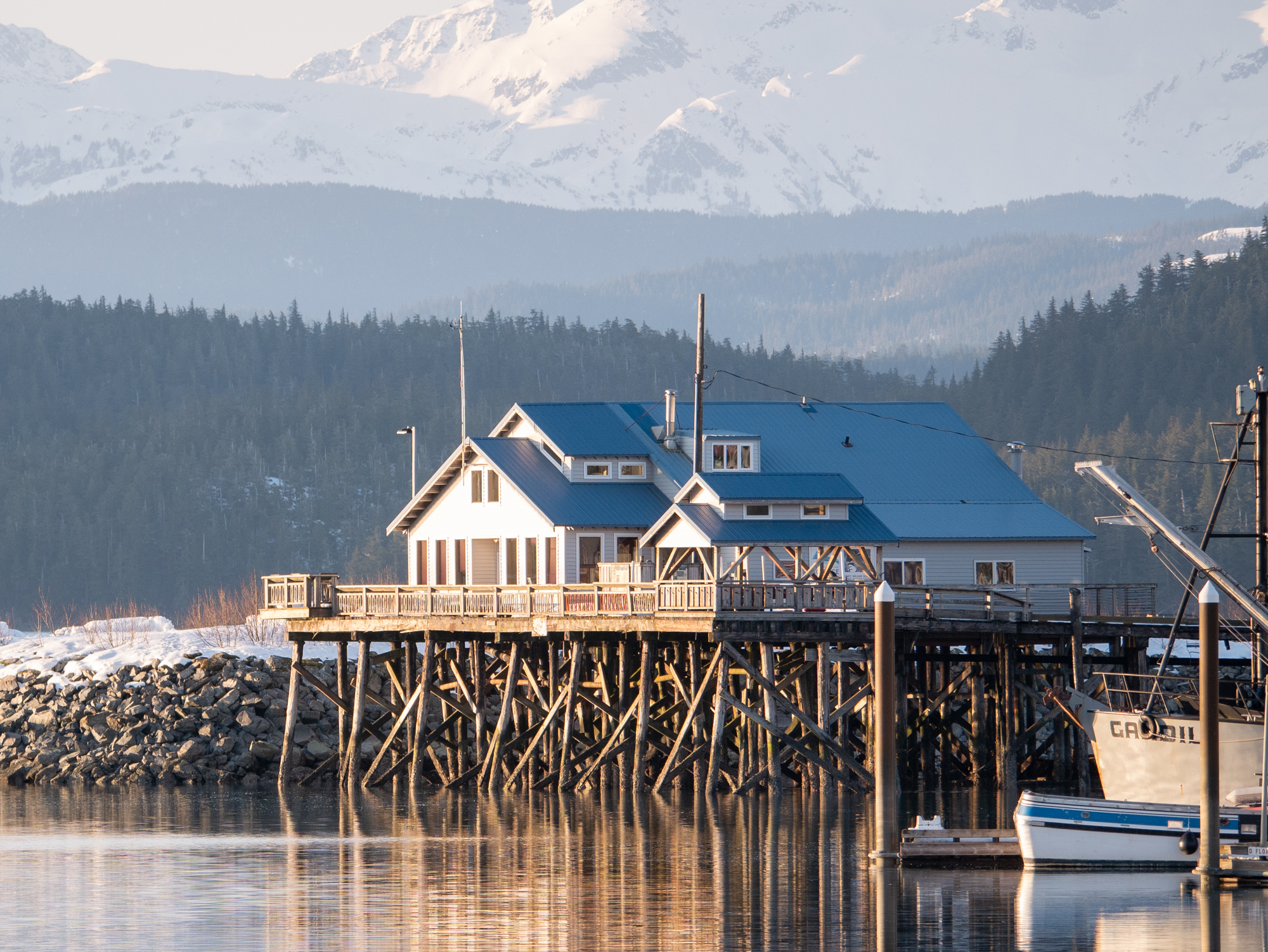
Dear Friends, We are thinking of you and your loved ones, as well as everyone impacted by the COVID-19 outbreak. The ramifications within our communities will, […]
March 23, 2020
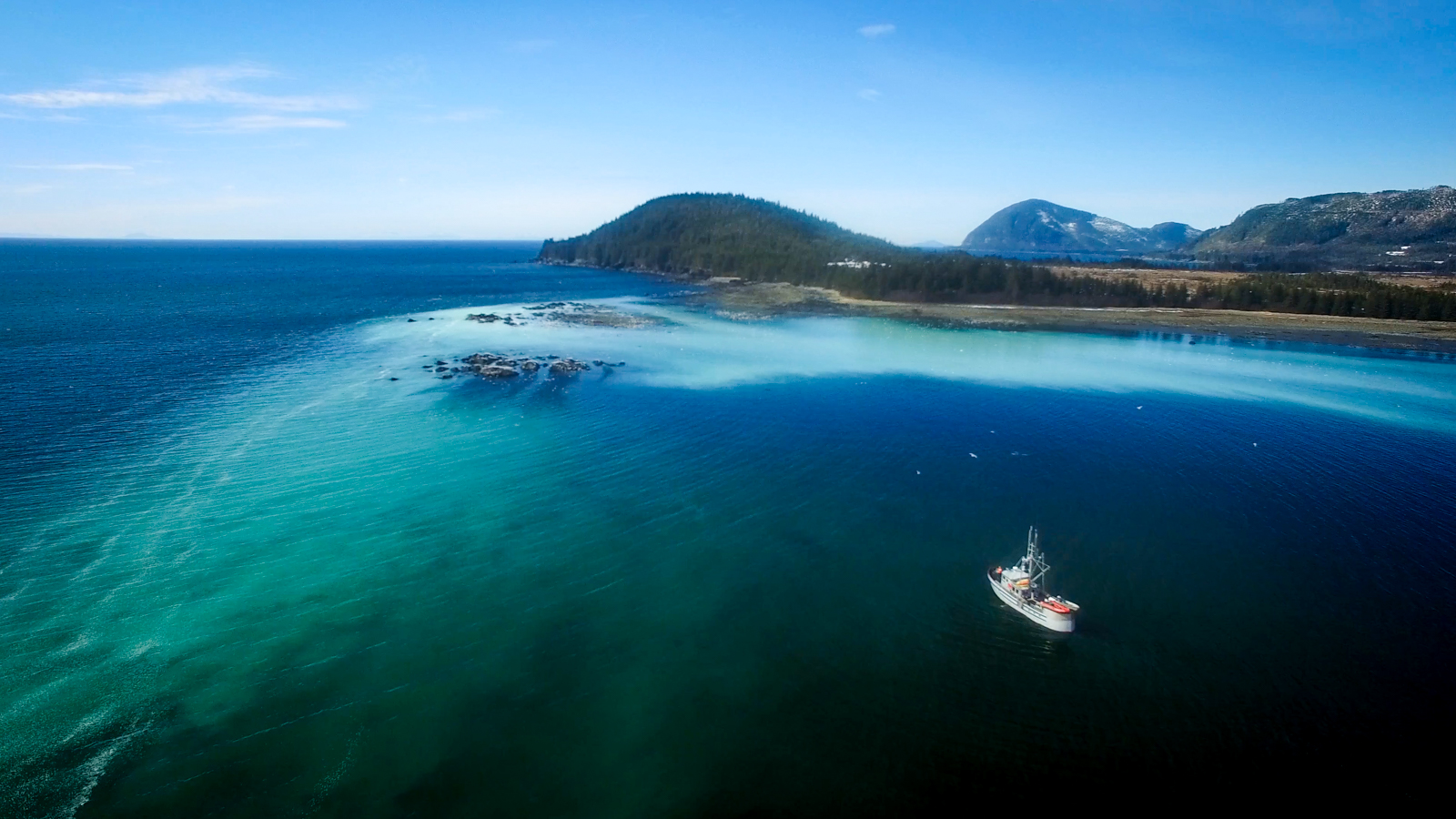
Hydroacoustic spawning biomass surveys of Pacific herring By Teal Barmore, March 23, 2020 Every spring, researchers from the Alaska Department of Fish and Game (ADF&G) and the […]
March 16, 2020

Cordova’s Backstreet Buoys have another great showing at Alaska’s Tsunami Bowl By Lauren Bien March 16, 2020 Cordova’s team, The Backstreet Buoys, made another impressive appearance […]
February 27, 2020
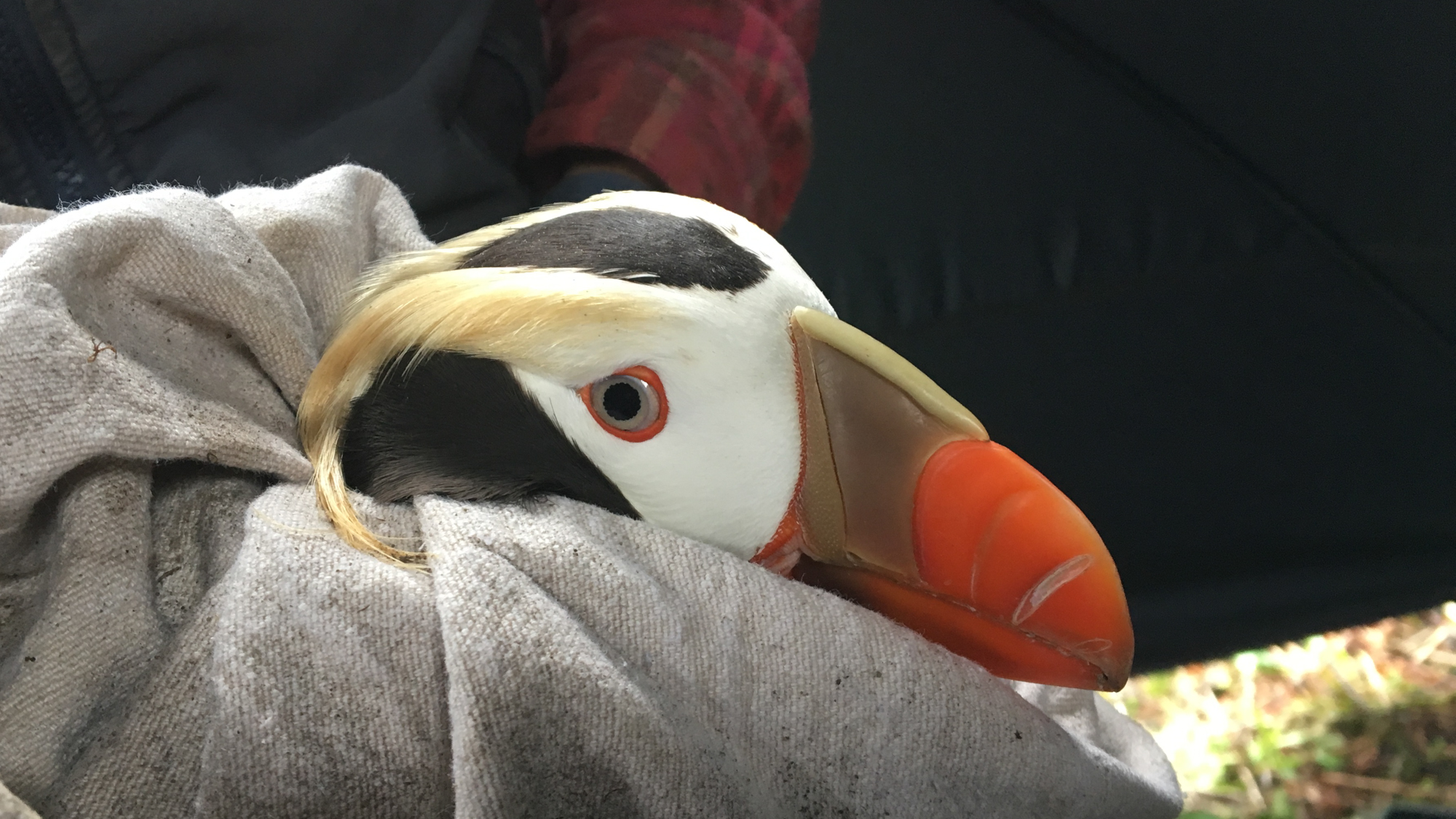
Discovering ocean habitat use by seabirds during winter thanks to advances in tracking technology By Teal Barmore, February 27, 2020 Researchers at Prince William Sound Science […]
February 10, 2020
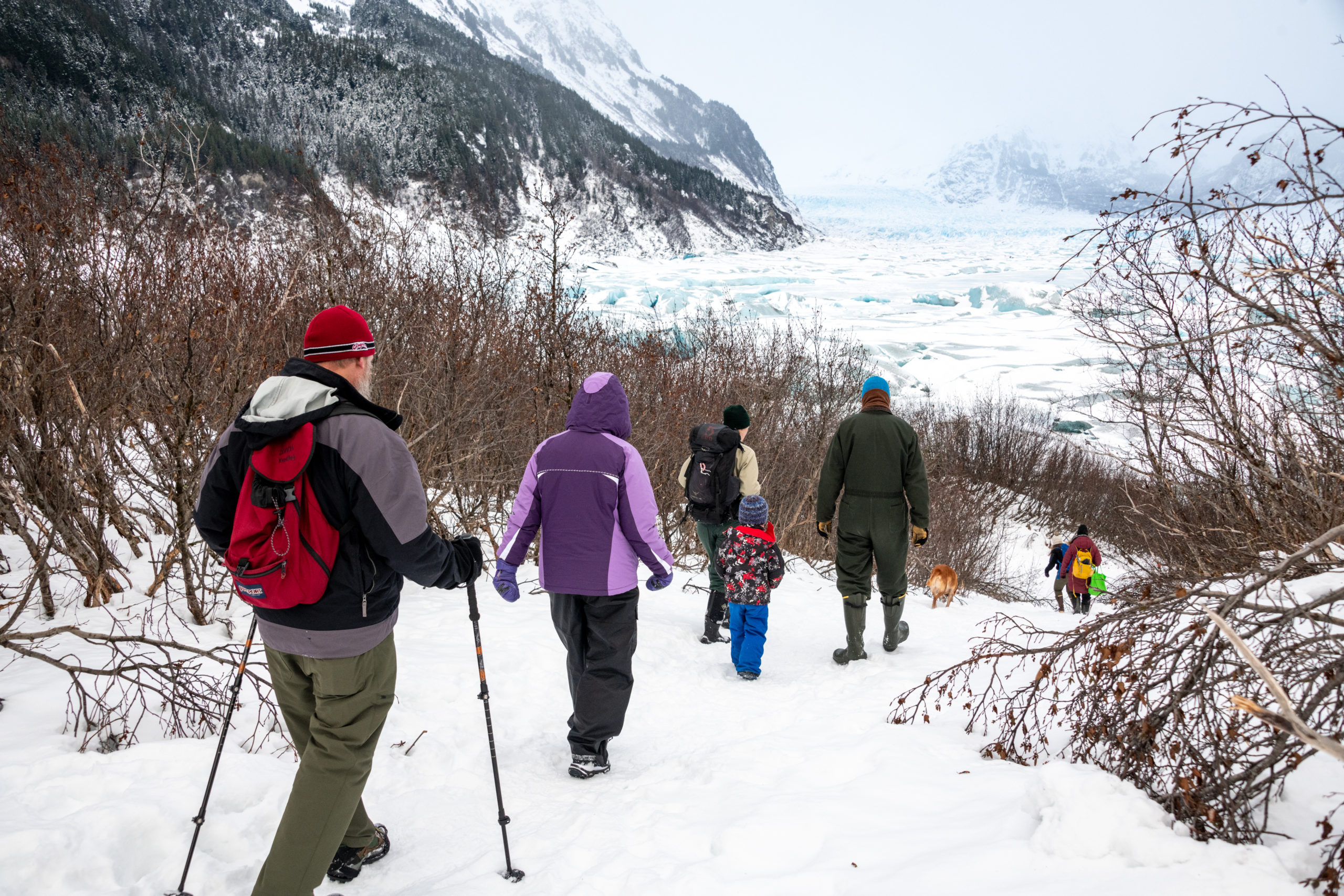
PWSSC and U.S. Forest Service Lead Hikers to Sheridan Glacier By Zachary Snowdon Smith, February 2, 2020 for The Cordova Times Photo by Zachary Snowdon Smith For […]
January 30, 2020

Where have all the researchers gone? By Arissa Pearson, January 28, 2020 Monday mornings are normally full of researchers running around getting prepared for the week, […]
January 28, 2020

SIXTH GRADE STUDENTS USE SNOWSHOES, TRIPODS, AND CAMERAS TO EXPLORE THE NIGHT SKY By Nicole Webster, January 28, 2020 Earlier this month, despite single-digit temperatures and […]
January 17, 2020

Field work for Hatchery-Wild has been extended for another year By Arissa Pearson, January 17, 2020 Feature photo by Pete Rand December 2019 brought news that […]
January 16, 2020

Current facility plagued by cramped lab space, wobbly dock pilings By Zachary Snowdon Smith, October 27, 2019 for The Cordova Times Feature Photo: Oceanographer Rob Campbell […]
January 16, 2020

Donations from residents will help build new campus By Zachary Snowdon Smith, January 12, 2020 for The Cordova Times Photo by Teal Barmore Prince William Sound Science […]
December 30, 2019
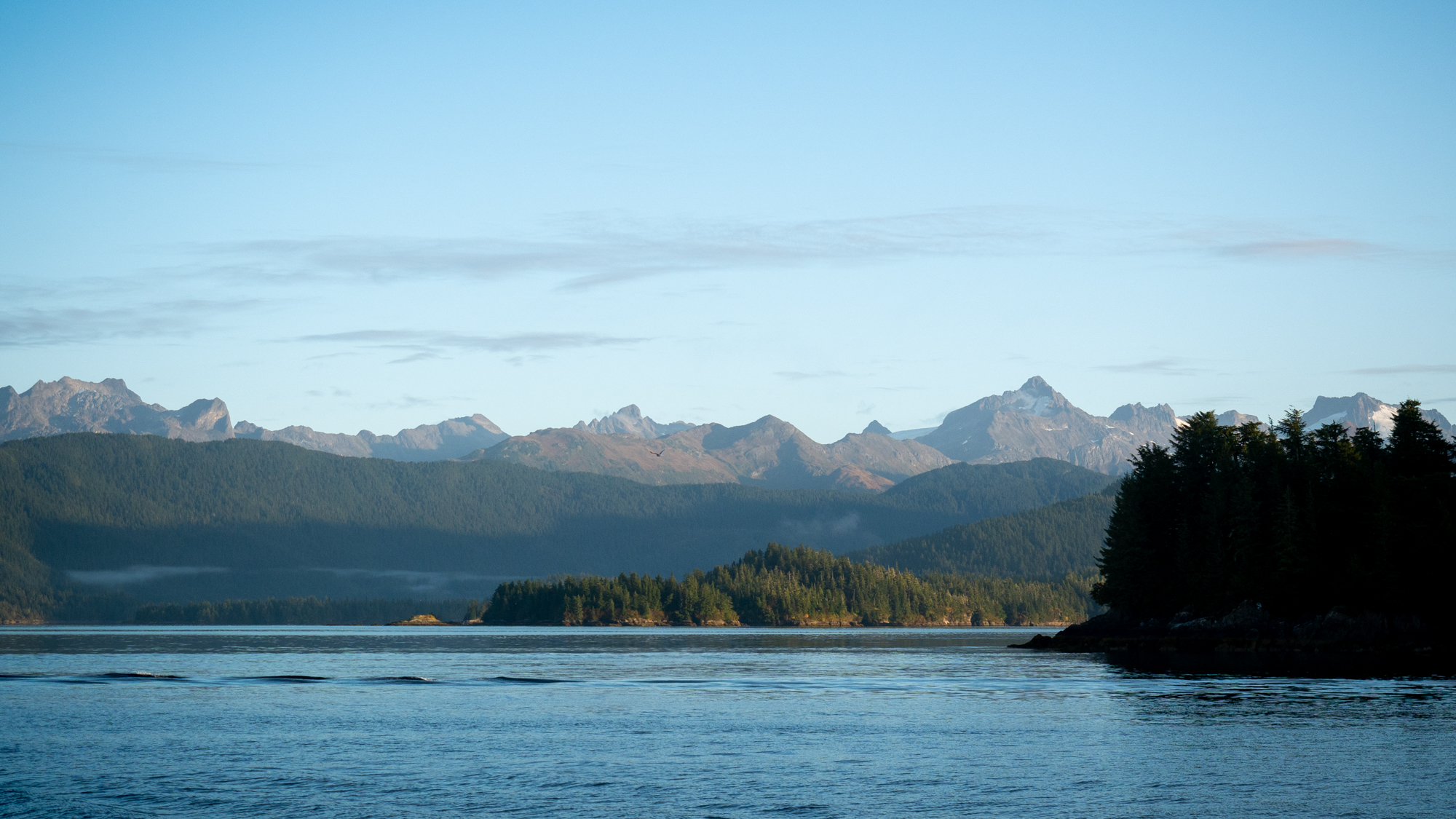
Top News Features 1) HATCHERY WILD FIELD SEASON 2019 FIELD SEASON MARKED BY LOW FLOW AND HIGH PRE-SPAWN MORTALITY It was a strange summer for the […]
December 27, 2019
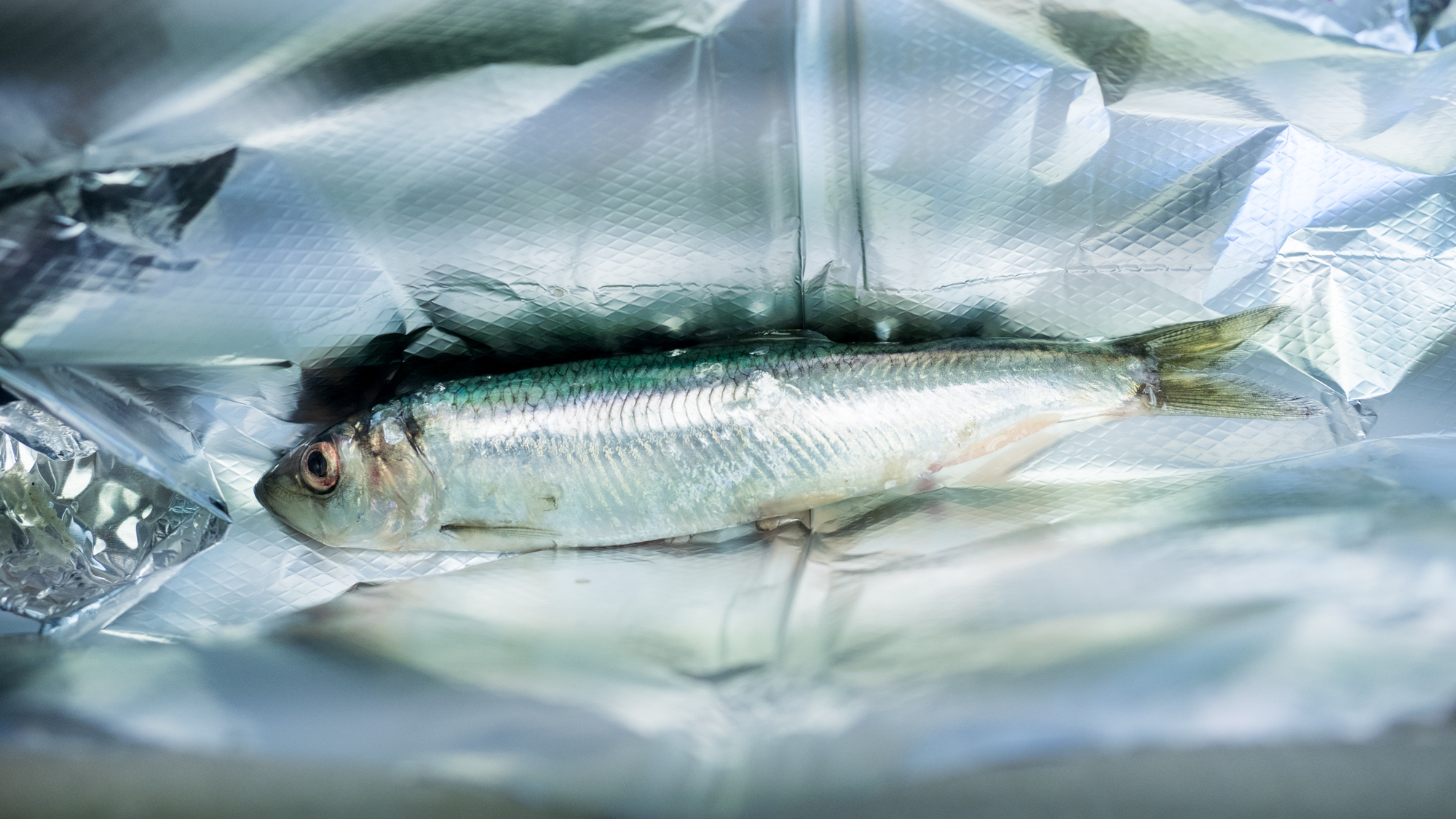
Making a case for herring research: 2019 Synthesis presents disease tracking breakthroughs and environmental correlations By Teal Barmore, December 27, 2019 The Prince William Sound Science […]
December 5, 2019

New Discovery Room theme connects second grade students to their food By Teal Barmore, December 5, 2019 Second grade students at Mt. Eccles Elementary shifted in […]
November 22, 2019

PWSSC Research Assistant to use her bird research skills in the Southern Hemisphere By Teal Barmore, November 25, 2019 Photos by Anne Schaefer Prince William Sound […]
November 14, 2019

Field Season Marked by Low Flow and High Pre-spawn Mortality By Teal Barmore, November 13, 2019 Aerial photo by Brad von Wichman It was a strange […]
October 24, 2019

Marine Temperatures Anomalies Doubled Previous Records By Teal Barmore, October 24, 2019 A mild winter followed by an abnormally calm and sunny summer this year led […]
October 17, 2019

Copper River Sockeye Salmon Project Motivated by its Potential to Inform Management in the Face of a Changing Climate By Teal Barmore, October 17, 2019 During […]
September 24, 2019

By Kinsey Justa, September 24, 2019 Last week, Prince William Sound Science Center staff hosted visitors from the Russian Far East. This group of six visitors […]
September 12, 2019
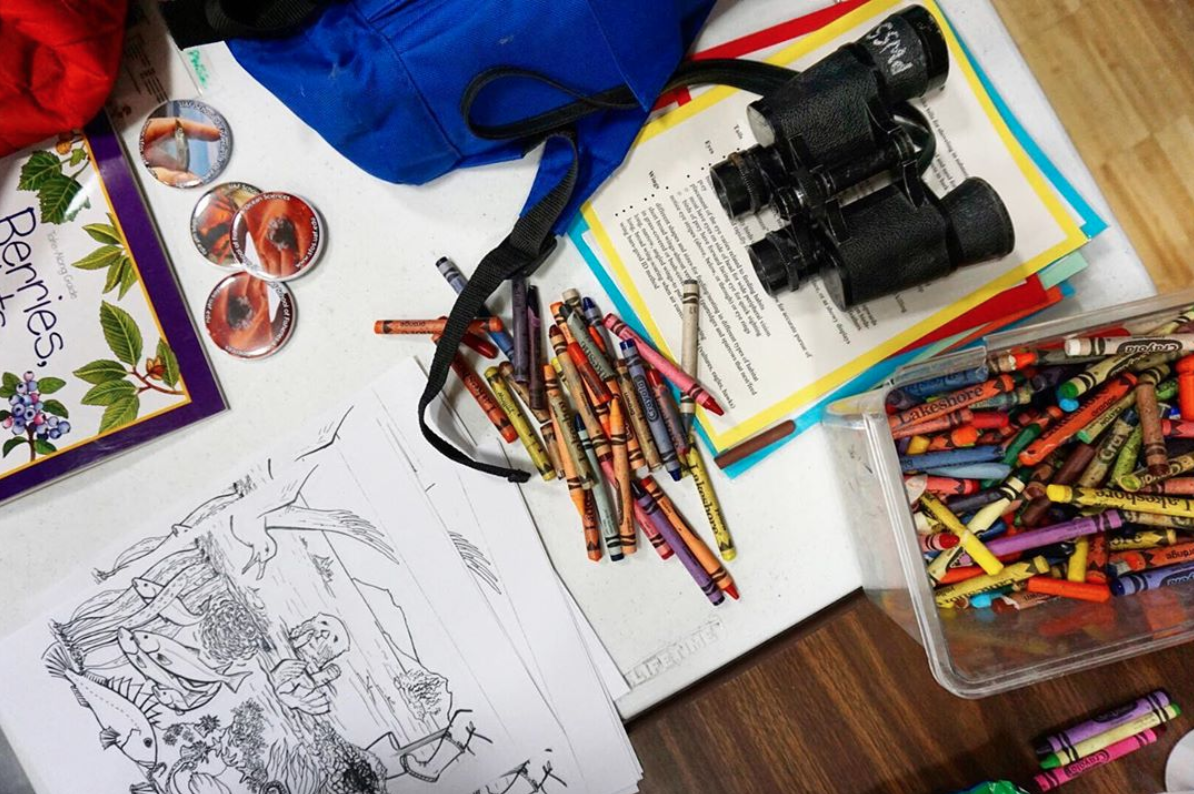
By Kinsey Justa, September 12, 2019 It’s back to school for children in Cordova! The Prince William Sound Science Center is committed to building resilience […]
August 21, 2019

By Kinsey Justa, August 21, 2019 Monitoring and understanding the rich diversity of biological resources in Prince William Sound is an important part of the Prince […]
July 22, 2019
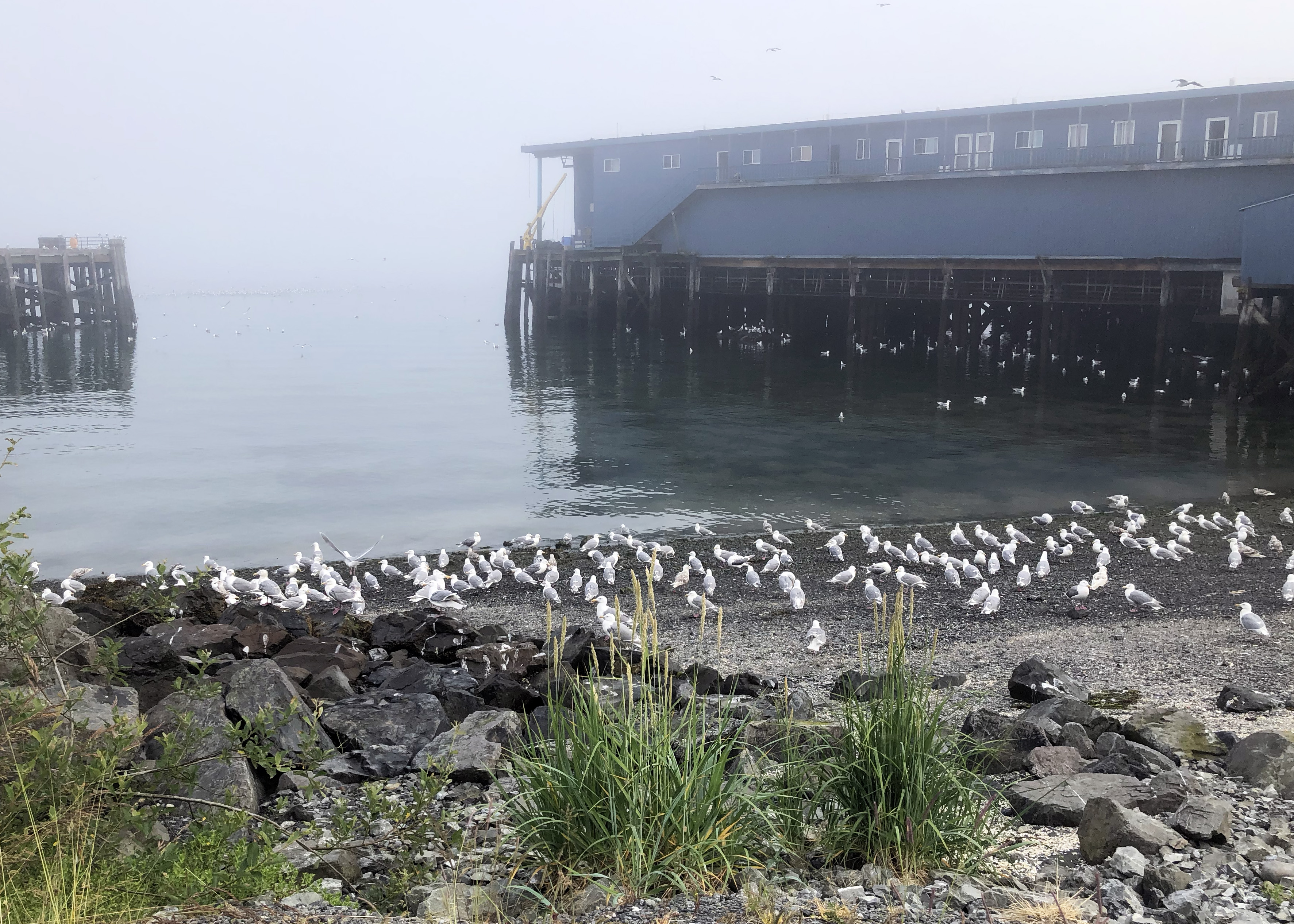
By Kinsey Justa, July 22, 2019 During the summer months, Cordova’s seasonal population grows significantly and not just with people. Each year an influx of Glaucous-winged […]
July 5, 2019

By Kinsey Justa, July 5, 2019 Prince William Sound Science Center scientists Kristen Gorman and Anne Schaefer recently returned from Middleton Island where they were retrieving […]
June 21, 2019

By Kinsey Justa, June 21, 2019 Among the many engaging education programs at PWSSC, perhaps one of the more unique is the hands-on ROV program. An […]
May 16, 2019
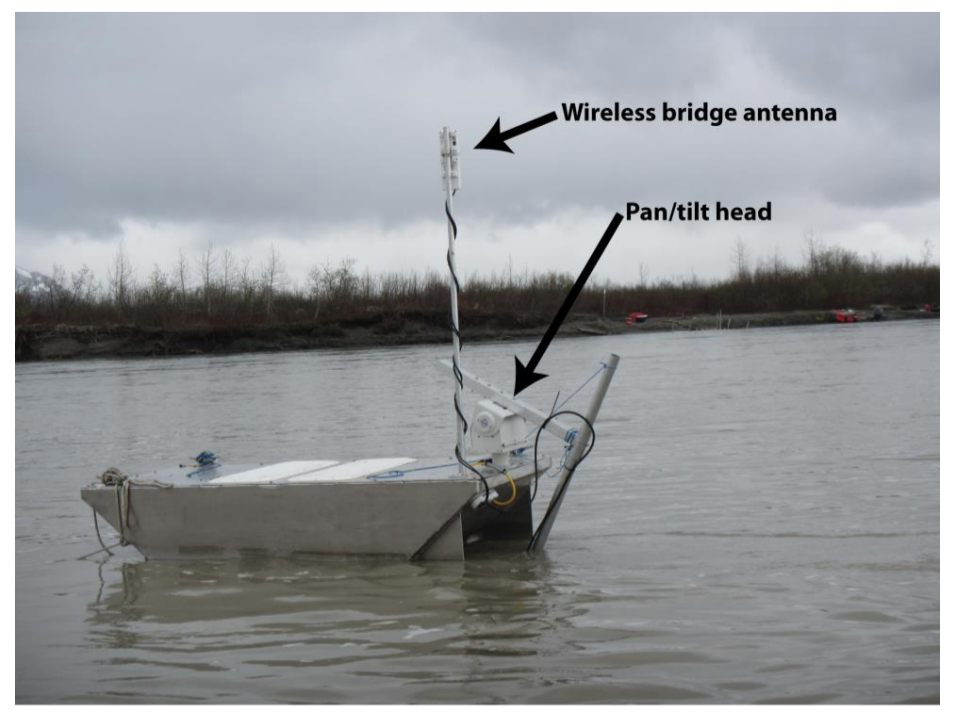
By Kinsey Justa, May 16, 2019 Earlier this month, Dr. Rob Campbell and his team of seasonal research technicians set the lower Copper River sonars […]
April 16, 2019

Herring Return Earlier and more Abundant than Expected By Teal Barmore, April 16, 2019 Researchers in the Herring Research and Monitoring (HRM) program were caught off […]
March 27, 2019

High-Pressure Systems Lead to Warm Water in the North Pacific By Teal Barmore, March 27, 2019 Abnormally warm sea surface temperatures across the North Pacific have […]
March 12, 2019
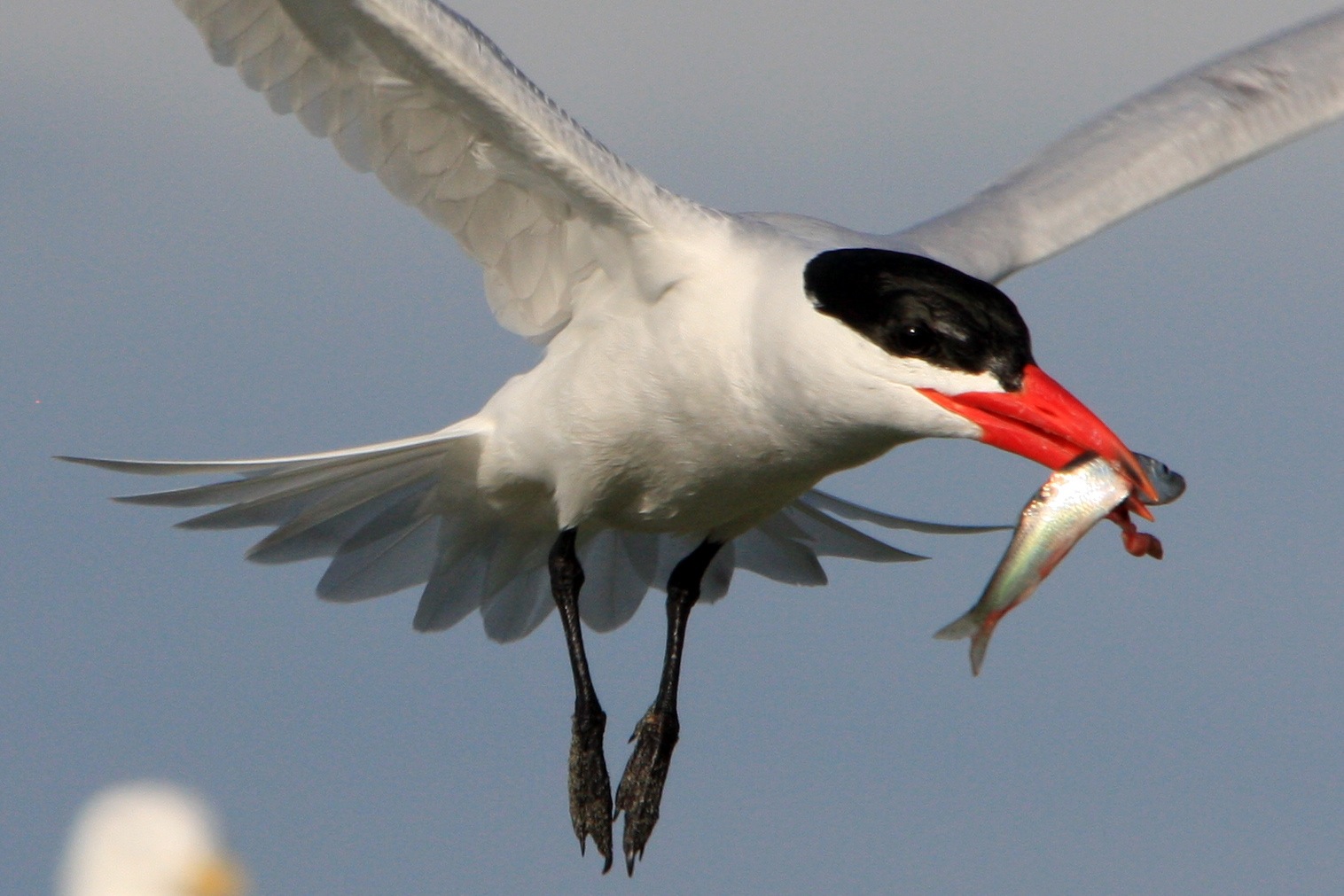
The Rapid Growth and Decline of the Caspian Tern Colony on the Copper River Delta By Teal Barmore, March 12, 2019 The discovery of a Caspian […]
March 12, 2019

PWSSC Finalizes Land Purchase for a New Location March 12, 2019 Did you know the Science Center occupies eight rented facilities in Cordova? After nearly 30 […]
March 12, 2019

Cordova Team Places First in Project Portion of NOSB March 12, 2019 The all-female National Ocean Sciences Bowl team, coached by PWSSC Education Director, Lauren […]
February 25, 2019

The culmination of another successful year for the Copper River Stewardship Program February 25, 2019 Eight students from the 2018 Copper River Stewardship Program presented at the Alaska […]
February 25, 2019

Tagging Research Produced Interesting Results By Teal Barmore, February 25, 2019 Deep in the waters of Prince William Sound; large, light gray-brown fish with blotches and […]
February 13, 2019
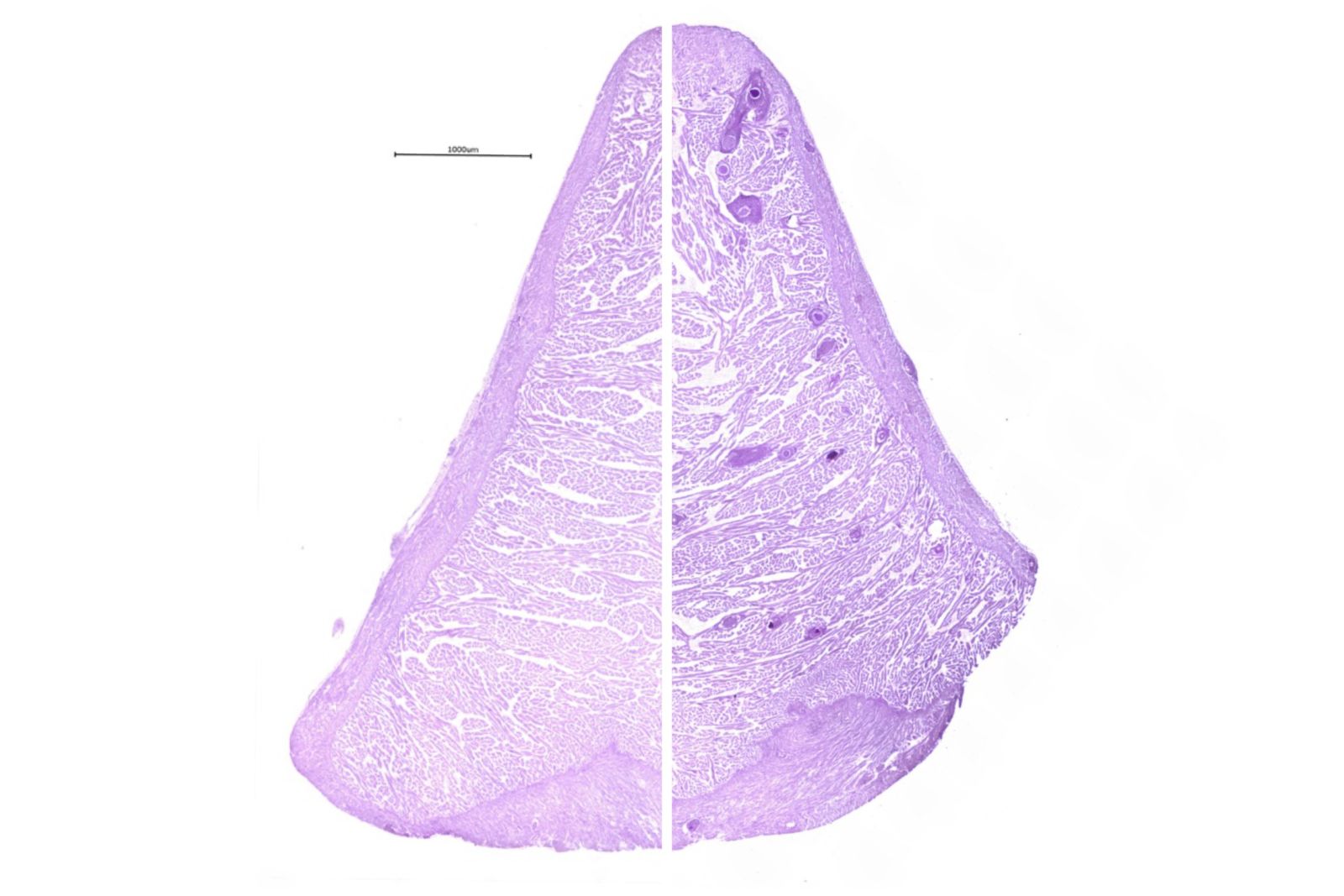
Maya Groner Shares All There is to Love About her Ichthyophonus Research By Teal Barmore, February 13, 2019 Icthyophonus is a pathogen that affects the heart and […]
January 25, 2019
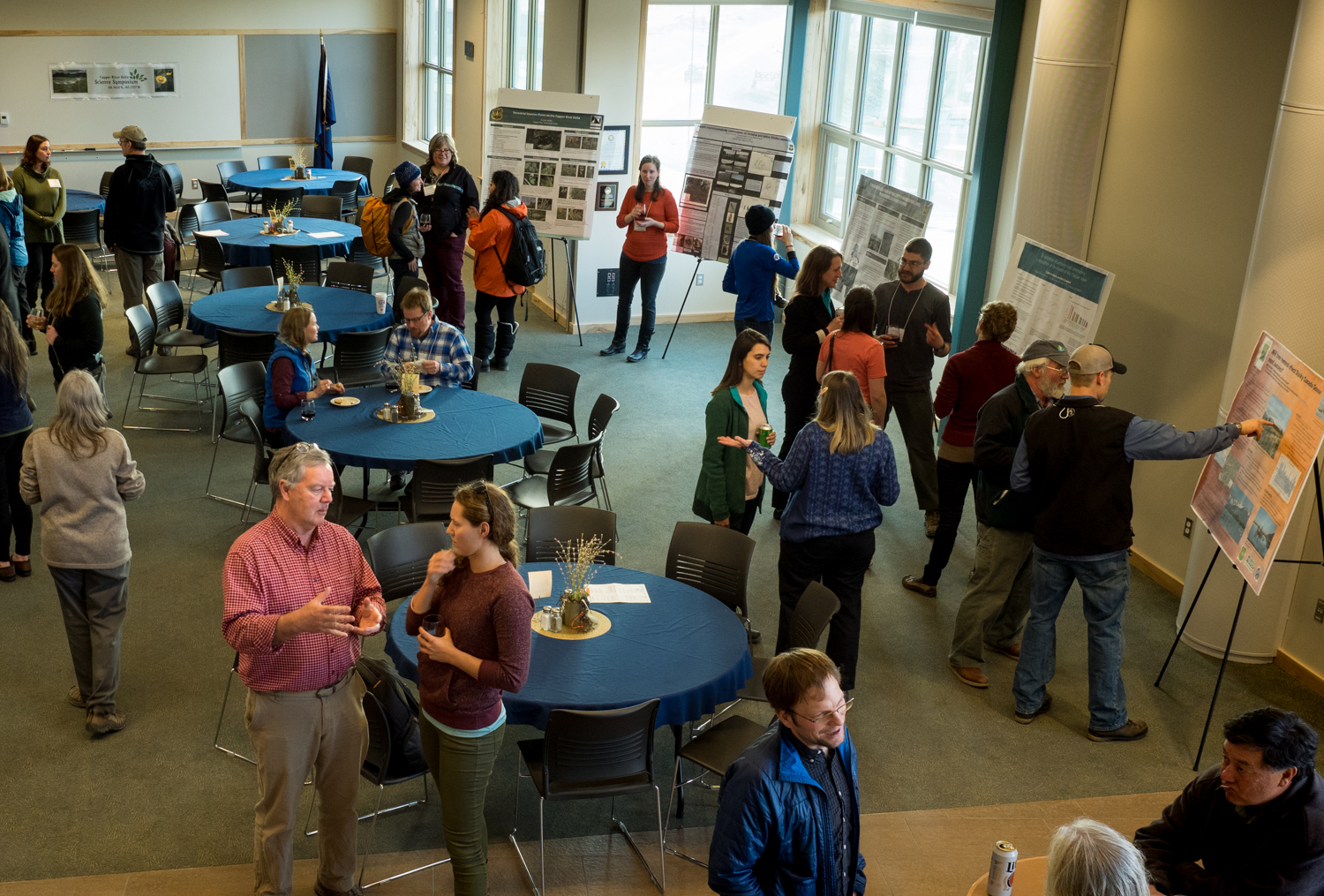
PWSSC researchers benefit from opportunities to present and network at AMSS By Teal Barmore, January 25, 2019 At the end of January, researchers from the Prince […]
January 14, 2019
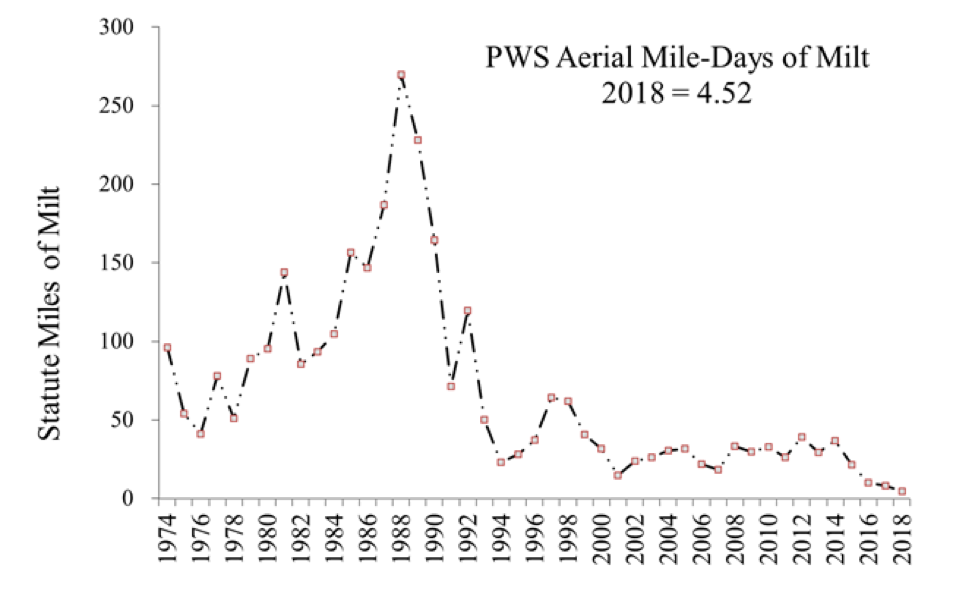
Aerial herring surveys show record low biomass By Teal Barmore, January 14, 2019 The white color of herring milt allows researchers to use its prevalence as […]
December 13, 2018

PWSSC Research Assistant Travels for Seabird Surveys in the Southern Hemisphere By Teal Barmore, December 13, 2018 Seabird survey skills and a Cordova connection are taking […]
December 12, 2018

***The point of contact for these moorings is Mary Anne Bishop (907) 424-5800 x 228 or Ben Gray (907) 424-5800 x 234 *** To download the […]
November 26, 2018
OSRI Celebrates 20 years of Funding Research By Teal Barmore, November 26, 2018 If you have been to our location on Breakwater Avenue in Cordova, you […]
November 5, 2018
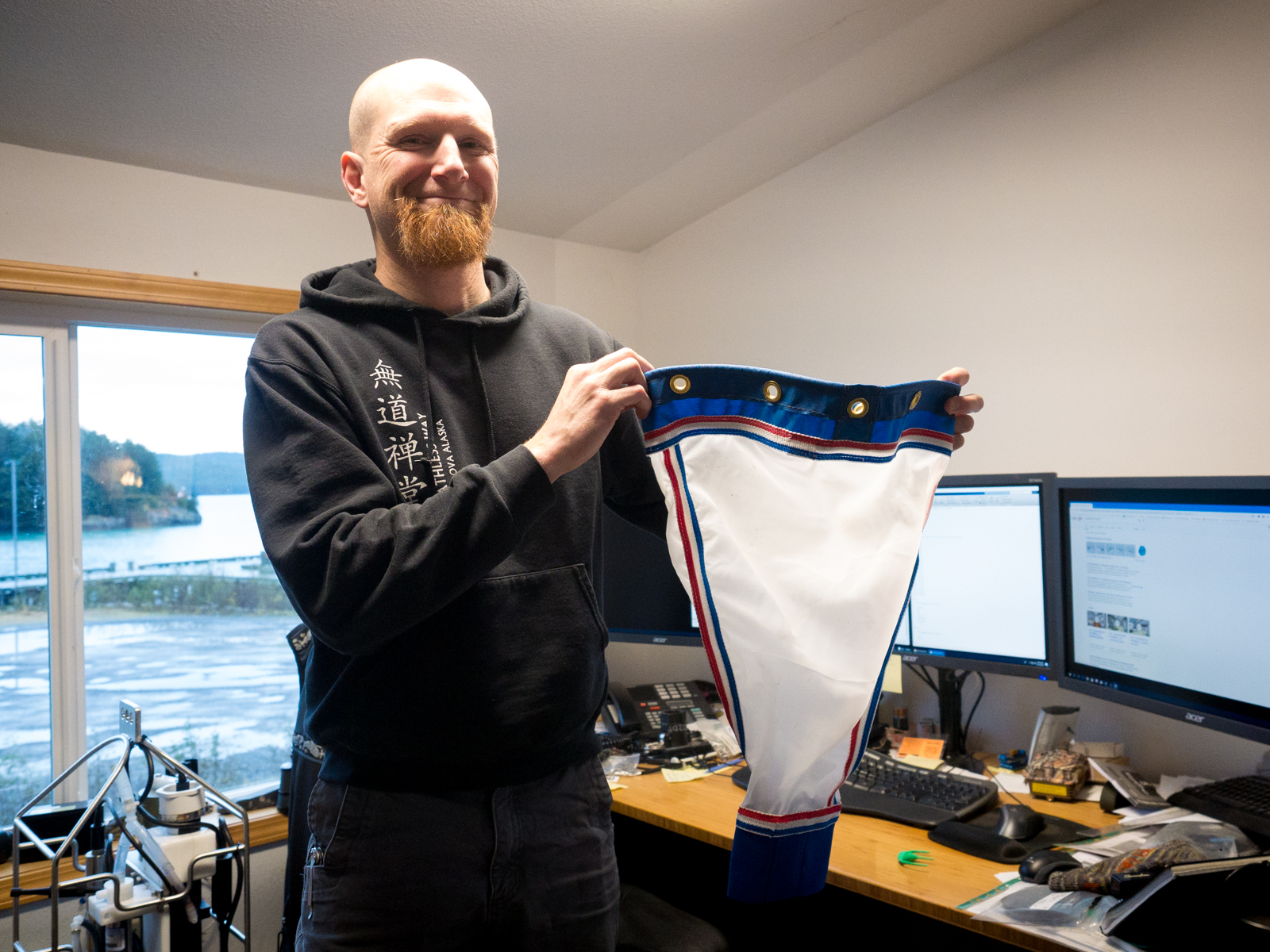
New Funding adds Phytoplankton Monitoring to Prince William Sound Oceanographic Monitoring Program By Teal Barmore, November 5th, 2018 With new funding from the North Pacific Research […]
October 25, 2018

Discovery Room introduces more Cordova students than ever this year to their sense of place. By Teal Barmore For 26 years, Prince William Sound Science Center’s education […]
October 10, 2018
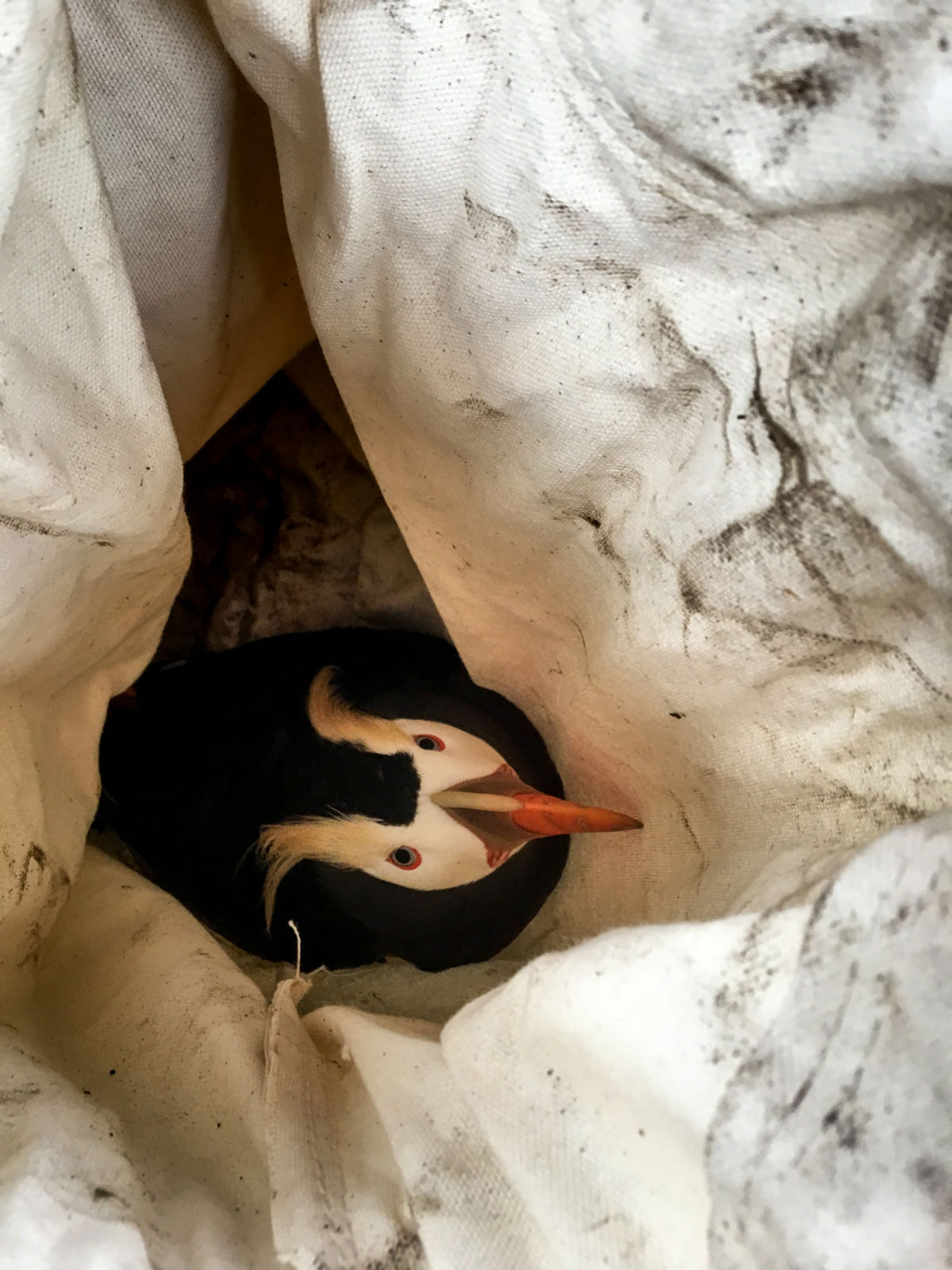
Prince William Sound Science Center researchers Dr. Kristen Gorman and Anne Schaefer spent two weeks at the end of July and beginning of August on Middleton […]
October 10, 2018
By Teal Barmore, October 10, 2019 Seventy miles offshore in the middle of the Gulf of Alaska, at the edge of the continental shelf, sits Middleton […]
September 13, 2018

Dr. Pete Rand publishes work on Prince William Sound Pacific herring’s response to predators. By Teal Barmore The spring spawning event of Pacific herring in Prince […]
August 23, 2018
[one_third_last] When? Friday, October 5 5:30 to 7:30 PM [/one_third_last] [one_third_last] Where? Simon & Seafort’s Room 49 420 L Street Anchorage, AK 99501 [/one_third_last] […]
August 16, 2018
By Lindsay Phillips Lauren Bien, education coordinator for the Science Center is wrapping up another eventful summer full of programs for children of all ages, including: […]
August 15, 2018

By Lindsay Phillips and Pete Rand The Prince William Sound Science Center has recently started field sampling for the 2018 season of the Alaska Hatchery Research Project […]
May 28, 2018
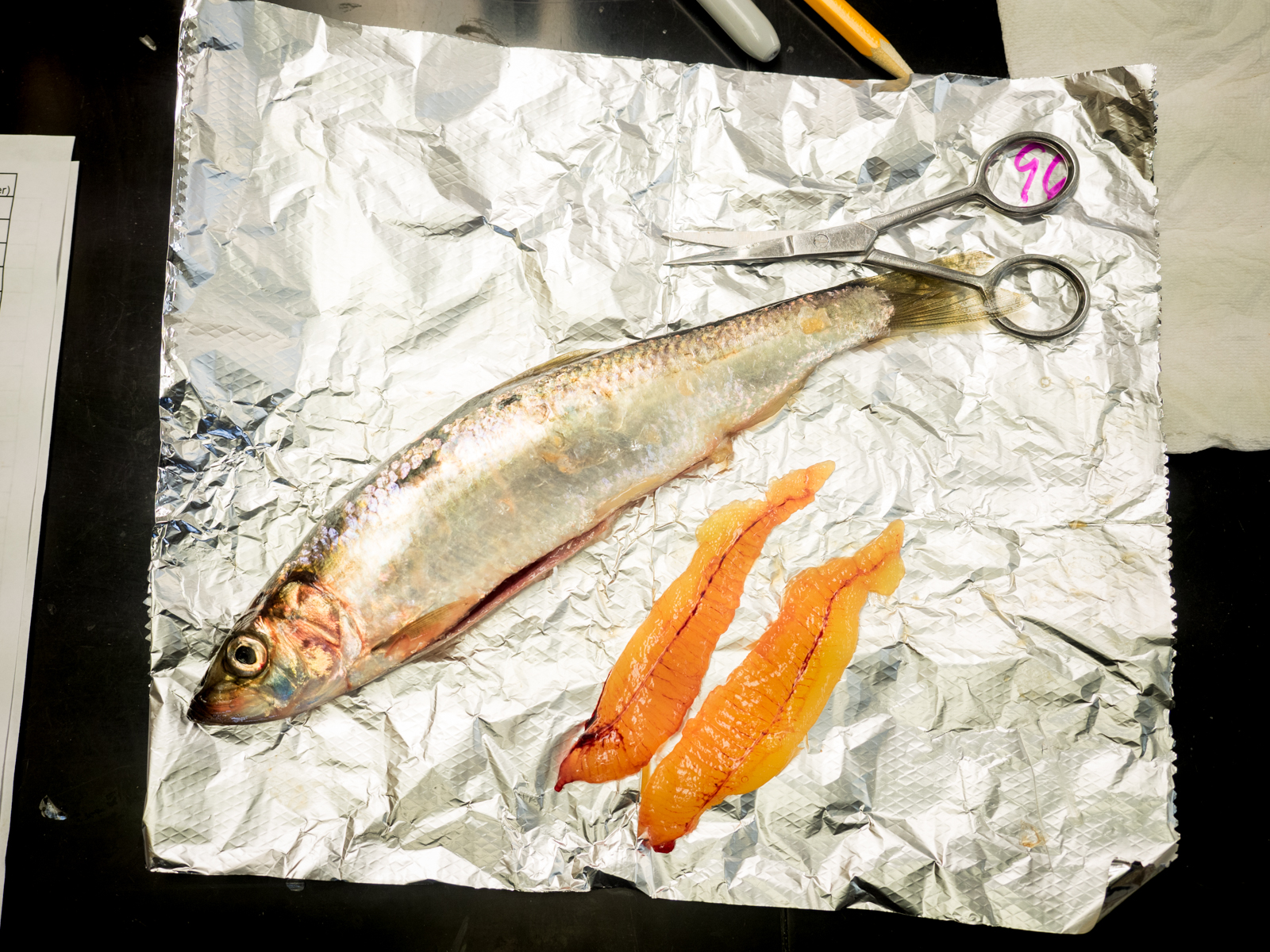
By Dr. Kristen Gorman Photos by Teal Barmore As part of the Herring Research and Monitoring (HRM) Program, a collaborative group of scientists from Prince William Sound Science […]
May 21, 2018
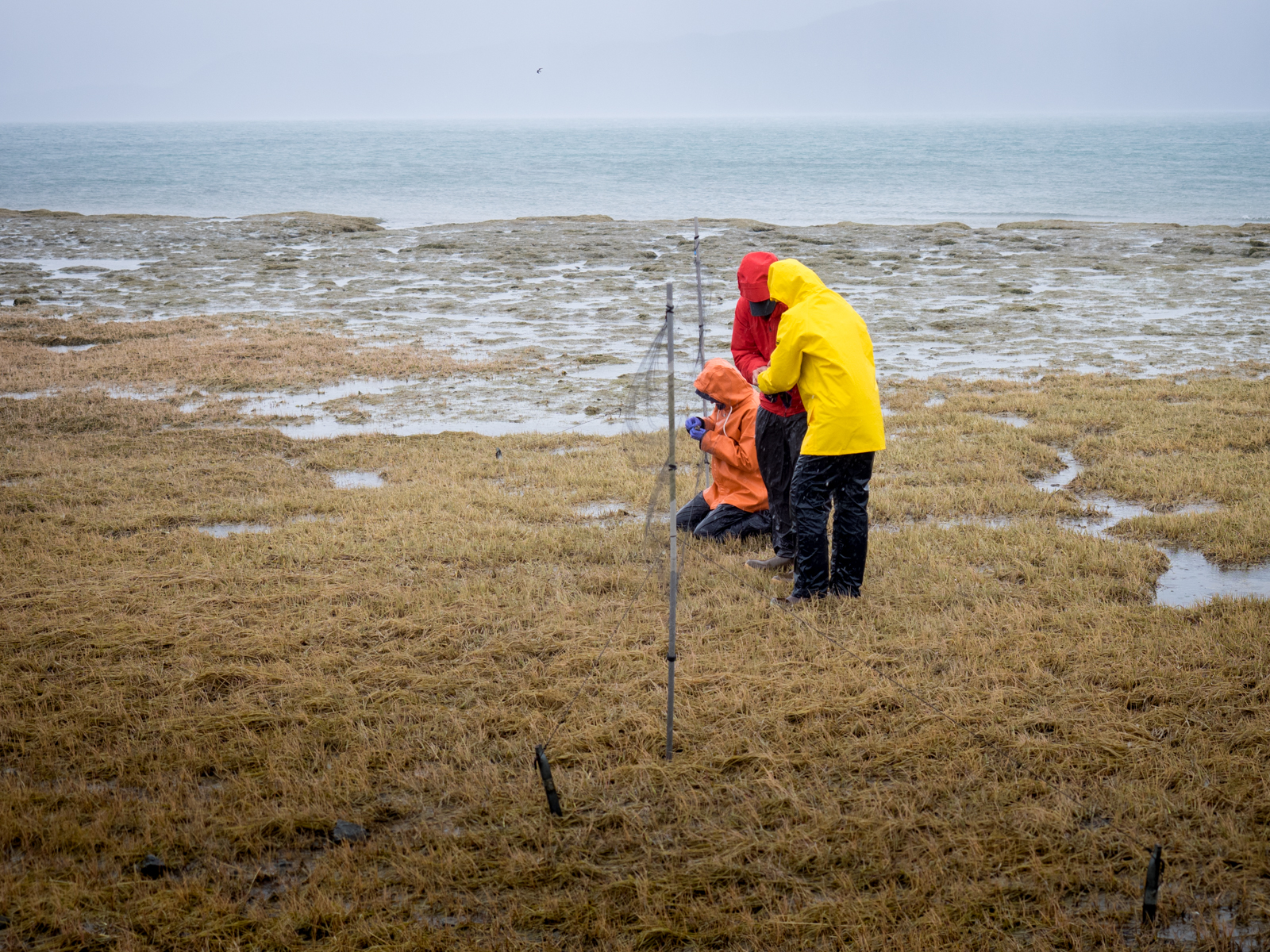
Photo Highlights by Teal Barmore For the third year in a row, researchers from the Prince William Sound Science Center and Tufts University captured, sampled, and […]
May 21, 2018

Photo Highlights by Dr. Rob Campbell Dr. Rob Campbell and his two technicians, April Richards and Kevin Absil, installed the lower Copper River sonar station in mid-May, a project […]
May 1, 2018

By Dr. Mary Anne Bishop Photos by Ben Gray unless otherwise noted. Pacific herring, a small forage fish, has long been considered sensitive to handling. As a result, there […]
April 17, 2018
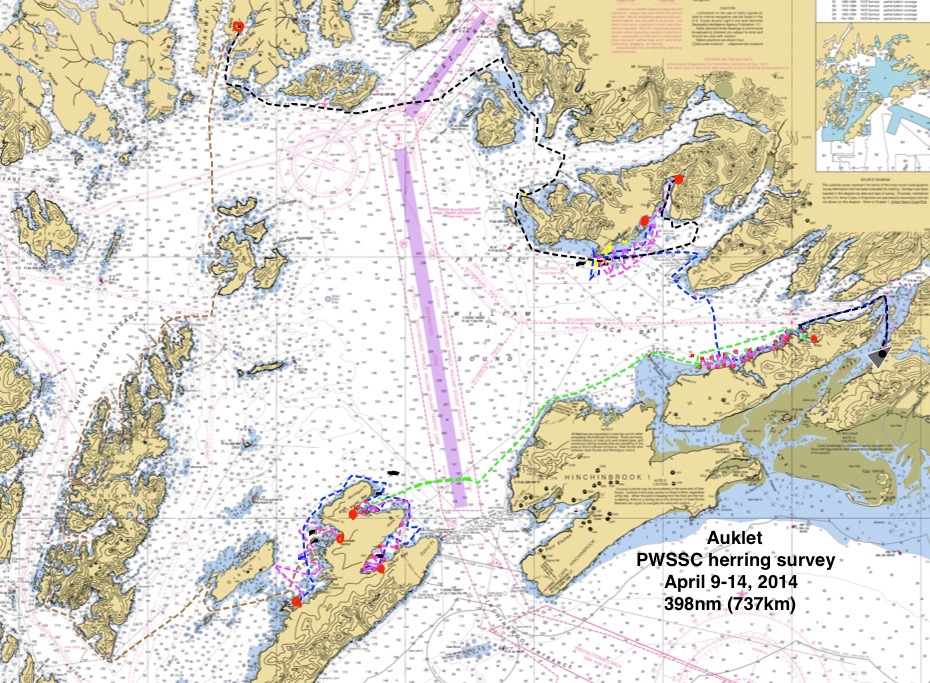
David Janka has been doing acoustic biomass surveys with the Prince William Sound Science Center since 2007. This spring during the spawning biomass surveys he covered 713 nautical […]
April 15, 2018
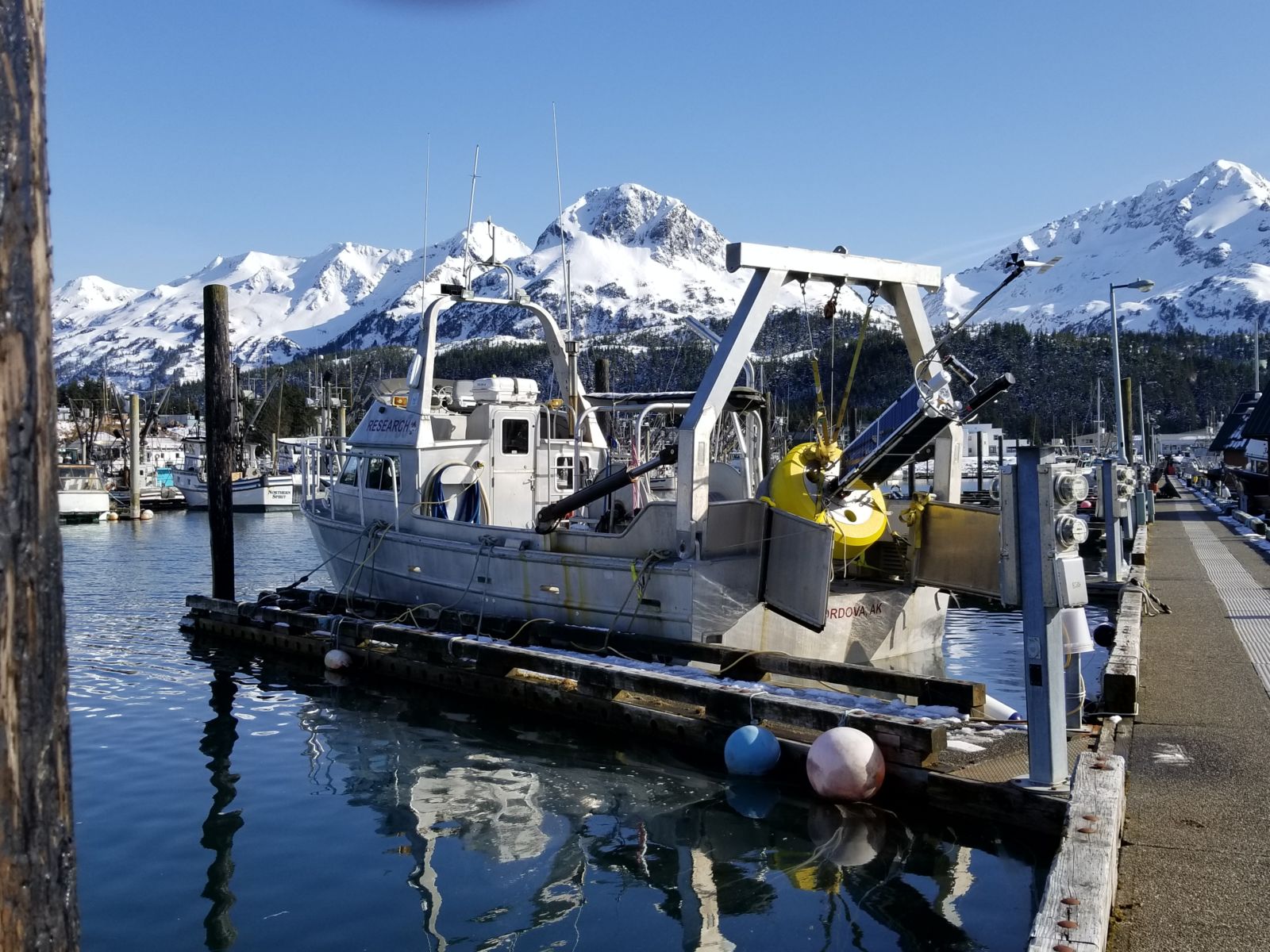
Last weekend, Dr. Rob Campbell deployed a new weather buoy in western PWS, about five miles due east of Naked Island. The buoy was deployed as […]
March 20, 2018

From March 27 to 29, researchers and educators from the Prince William Sound Science Center will be presenting their work to other researchers, decision makers, and […]
March 1, 2018

Join us for some hands-on adventuring that is sure to get your preschooler thinking like a scientist! Who: Kids ages 3-5 (Caregivers must attend) Where: Education Room […]
February 27, 2018

For the last 10 years, the Prince William Sound Science Center has maintained underwater acoustic arrays, a technology to tag and track marine animals, in Prince […]
February 27, 2018
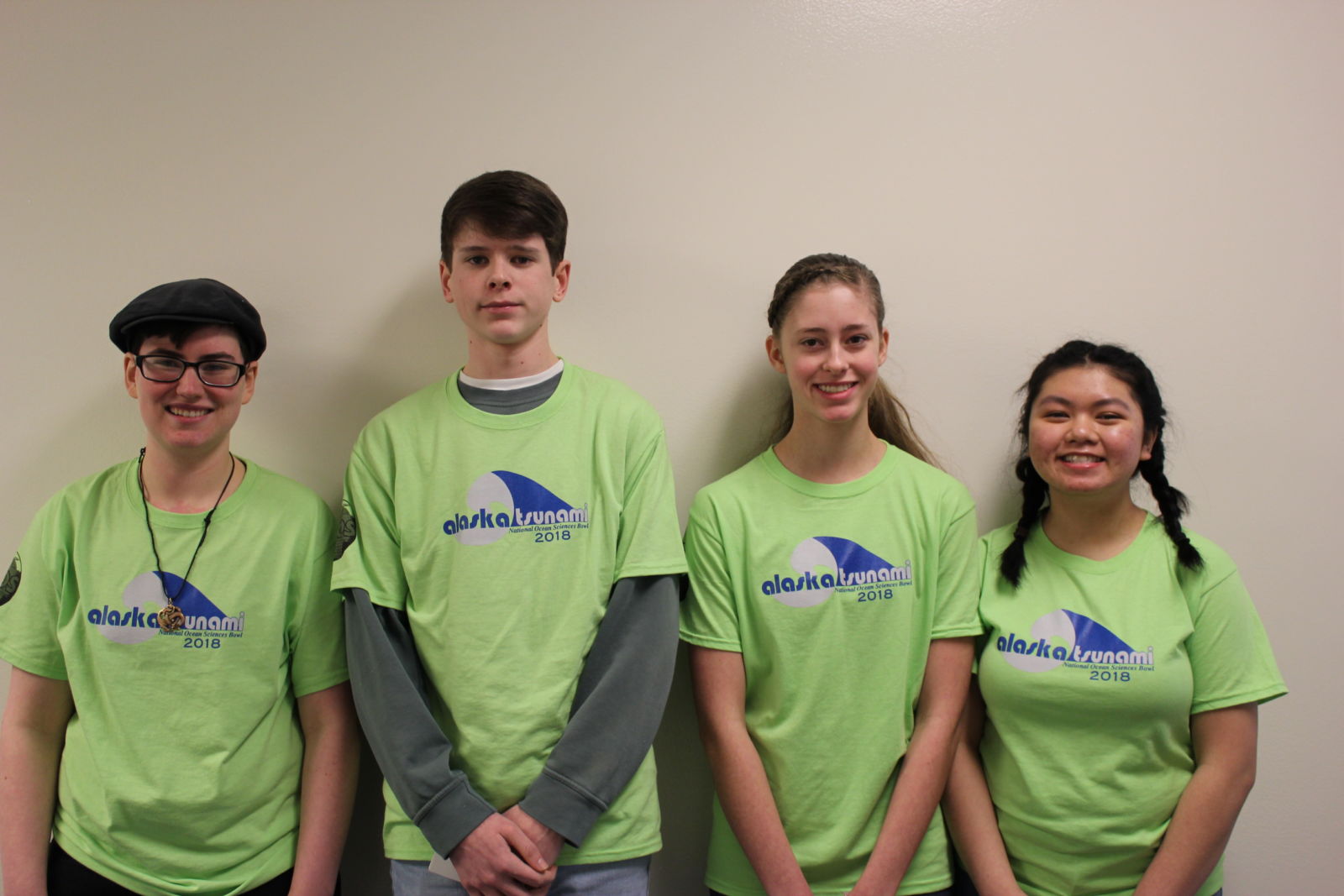
Imagine this: You’re sitting at a table with three teammates; the opposing team sits at the table next to yours. Both teams sit quietly, […]
January 31, 2018

Join the conversation on the future of bird tagging on the Coastal Observation and Seabird Survey Team (COASST) blog. Representatives from COASST will be in Cordova […]
January 19, 2018
On Monday January 22, Prince William Sound Science Center staff will join over 700 scientists, educators, resource managers, students, and members of the public for Alaska’s […]
December 5, 2017
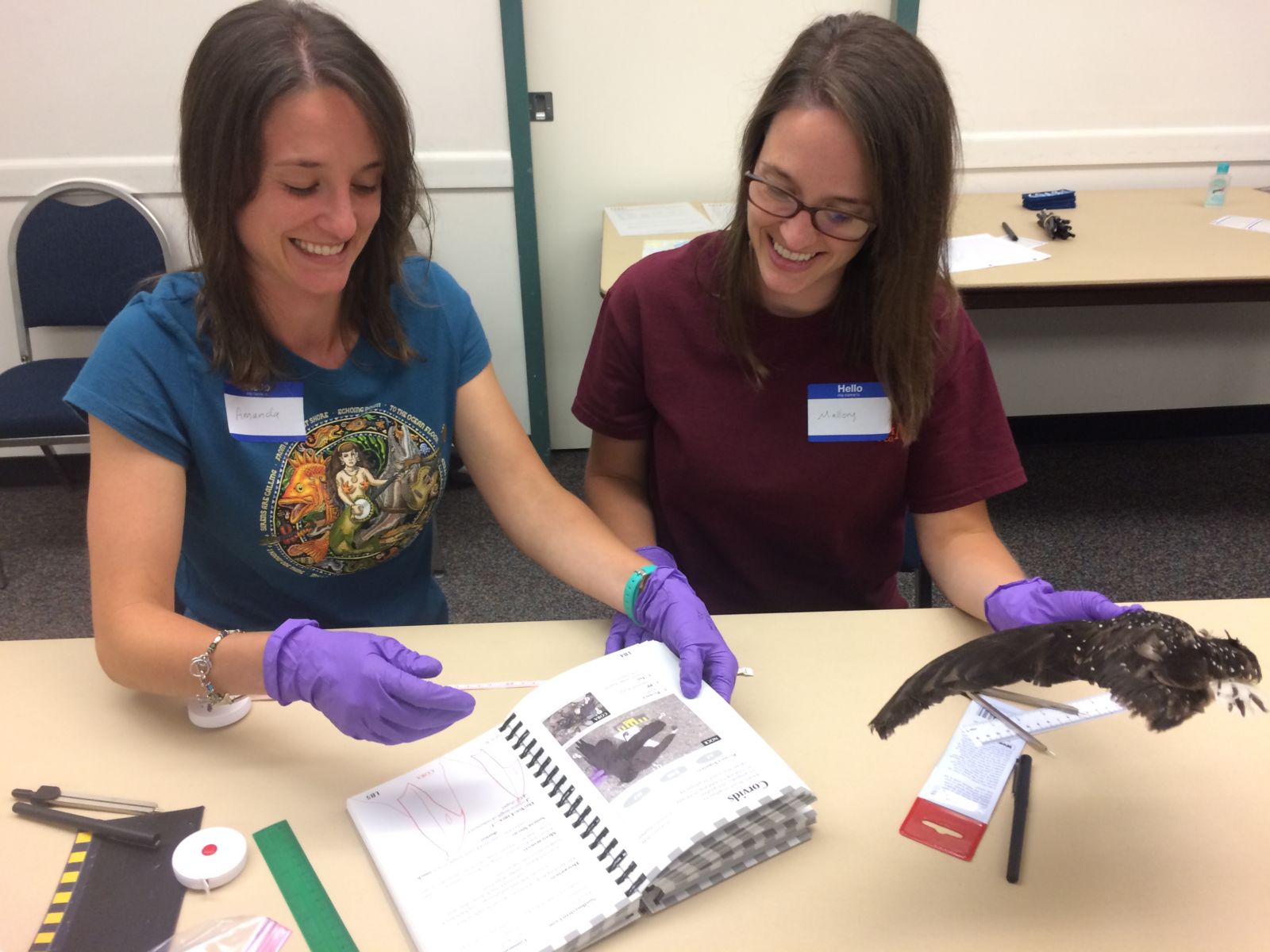
Do you like to visit shorelines around Cordova? Are you interested in seabirds and helping collect data that can support scientists’ ability to evaluate changes in […]
October 16, 2017
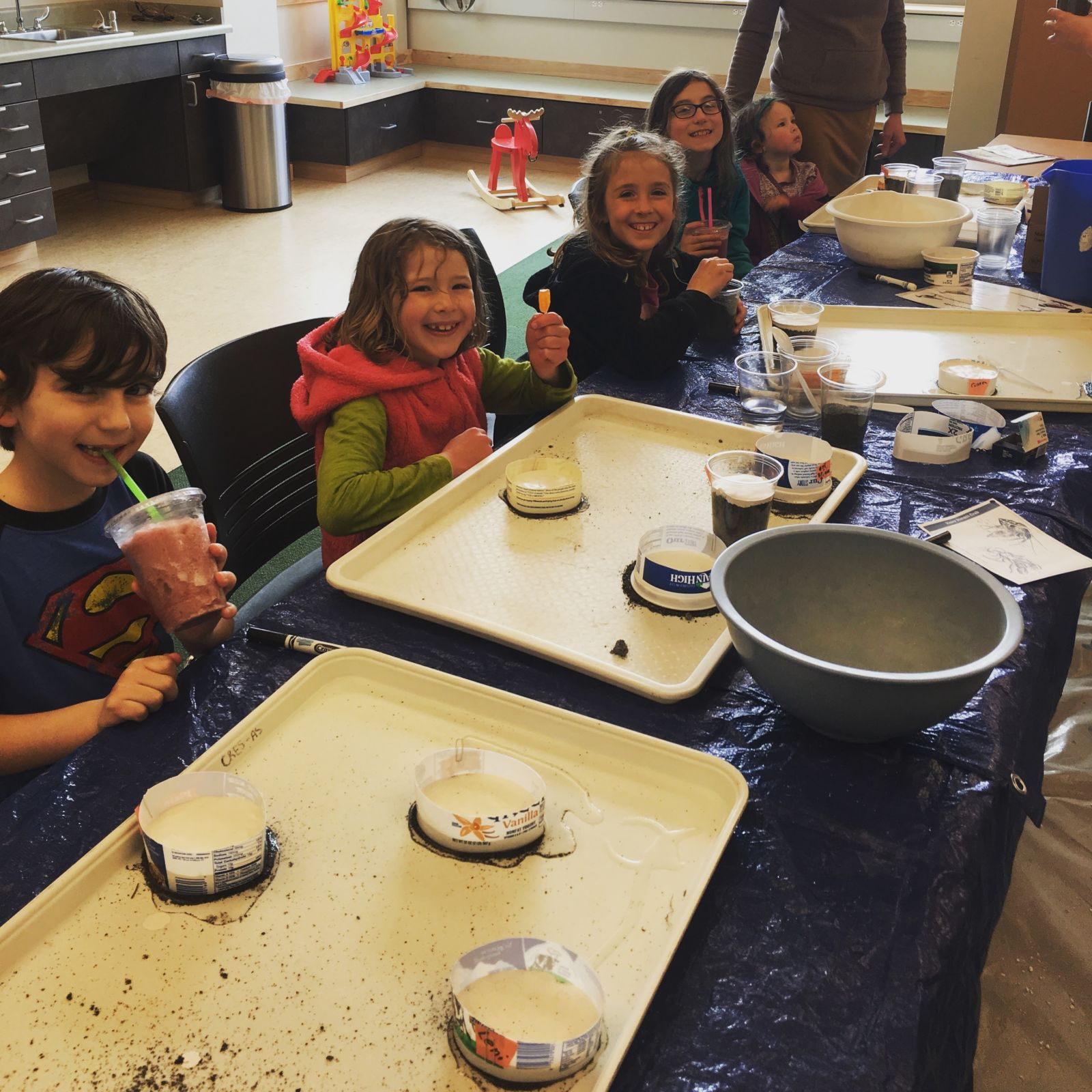
Our education team is excited to announce a new, monthly series: CORDOVA SEA SQUIRTS! Join us for some hands-on adventuring that is sure to get your […]